Cut My Family’s Stress by 70%: The Neighborhood Network That Changed Everything
Remember that knot in your stomach when your kid is late coming home from school? Or when an elderly parent doesn’t answer their phone? I felt it too—until we built a simple, tech-powered neighborhood circle. It wasn’t about cameras or alarms. It was about trust, shared care, and a quiet knowing: we’re looking out for each other. This is how our community turned everyday tech into something that truly brings peace. No flashy gadgets, no complicated systems—just a group of neighbors who decided to pay attention. And honestly? That small shift didn’t just make us safer. It made us feel like we belonged somewhere real again.
The Moment Everything Changed
It was a gray, drizzly Tuesday afternoon when everything shifted. My ten-year-old was supposed to be home from soccer practice by 4:30. By 4:50, no text from the coach, no call from the carpool mom. My heart started racing. I called everyone I could think of—no answer. I grabbed my raincoat and was about to run down the street when I saw Mrs. Alvarez from two doors down walking her dog. I waved, voice tight with panic, and asked if she’d seen my son. She hadn’t, but instead of just saying no and walking on, she stopped. She asked for a description, pulled out her phone, and sent a quick message to a few neighbors. Within three minutes, Mr. Patel at the end of the block replied—he’d seen my son stop to help an older woman pick up her groceries. He was fine. He was safe. But the relief I felt wasn’t just about finding him. It was about knowing someone else had been watching. That someone else cared.
That moment cracked something open in me. I realized I’d been relying on locks, phone trackers, and my own anxiety to keep my family safe. But what I really needed wasn’t more control—it was connection. We lived in a quiet, tree-lined neighborhood with friendly smiles and wave-from-the-porch energy, but when it came to real support, we were all on our own islands. No one really knew who was home, who needed help, or who could offer it. That rainy afternoon taught me a powerful truth: safety doesn’t come from technology alone. It comes from people who notice. And with the right nudge, that awareness can spread.
I went home that night with a new idea. What if we didn’t need a security company or a neighborhood watch with uniforms and meetings? What if we just needed a way to stay gently connected? Not for emergencies only, but for the little things—lost backpacks, last-minute ride changes, a dog that slipped out the gate. What if we could use the tools we already had in our pockets to build something deeper than alerts? Something like family, but wider. That’s when I sent my first message—not to a stranger, but to Mrs. Alvarez. I thanked her. And then I asked: Want to start a small group with a few neighbors? Just to stay in touch. She said yes. And that tiny yes started something much bigger.
Building a Circle, Not Just a System
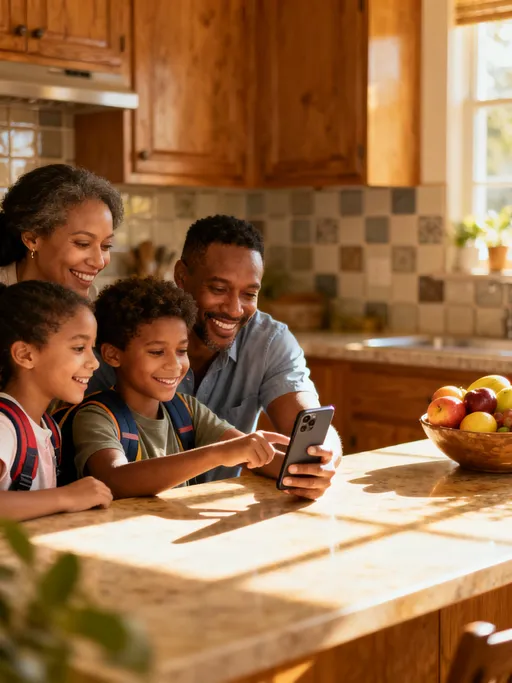
We didn’t launch with a mission statement or a sign-up sheet. We started with coffee. I invited three families—people I’d waved to for years but never really talked to—and we met at the park on a Saturday morning. No agenda, just mugs and muffins. We talked about our kids, our jobs, how hard it is to keep up with everything. And then I shared what had happened with my son. I said, I don’t want to be the only one holding my breath every afternoon. One mom nodded. Her daughter walks home alone sometimes. Another dad mentioned his mom lives nearby and gets confused—what if she wanders out and no one notices?
That’s when it clicked: we weren’t just talking about safety. We were talking about care. And we already had the tools to do it—we just hadn’t used them this way before. We decided to create a private group chat. Not public, not for complaints about noise or parking, but just for us. A quiet space where we could say, Hey, my kid is late—anyone seen him? Or My dog’s missing—red collar, small, loves tennis balls. Or even, I’m bringing extra soup—anyone want some?
The app we used? Just a free, encrypted messaging platform most of us already had. Nothing fancy. But the rules mattered. We agreed: only people who lived on our block and the two behind us. No screenshots, no forwarding. One admin at first—me—just to keep things calm. And most importantly, no judgment. If someone asked for help, we responded kindly—even if we couldn’t do anything. That small promise changed everything. Because it wasn’t about being perfect. It was about being present.
Within a month, we’d helped return a lost guinea pig, coordinated rides when a school bus broke down, and even spotted a suspicious person walking through backyards at night. But more than that, we started to see each other. We noticed when Mrs. Chen’s lights stayed off all morning. Turned out she’d slipped in the bathroom—no broken bones, but she couldn’t reach her phone. A quick check-in saved her hours on the floor. We didn’t need motion sensors or smart doorbells. We just needed neighbors who cared enough to ask.
How Tech Fades Into the Background
The best part? I barely think about the app anymore. It’s not sitting there flashing red alerts or pinging every five minutes. It just… works. It hums along quietly in the background, like a heartbeat. When my daughter rides her bike to the library, I don’t check a tracker. I just know that if something happens, someone will see her. And if she’s delayed, I can send one message and get an answer fast.
There was a big storm last winter—power went out for hours. I was stressing about flashlights and phone batteries when a message popped up: Extra generator at my place. Kids can charge tablets if needed. Another neighbor offered hot cocoa and board games. We ended up having an impromptu indoor picnic in someone’s living room. No one was scared. No one felt alone. The tech didn’t save us. The people did. The app was just the thread that connected us.
That’s the secret: when technology supports real relationships, it stops feeling like tech. It feels like care. It feels like home. We didn’t build a surveillance system—we built a support web. And because it’s rooted in trust, not fear, it doesn’t make us paranoid. It makes us calmer. When a child wanders off, we don’t panic. We send a quick note: Have you seen Lily? Pink jacket, heading toward the park. And within minutes, someone replies: She’s with me. We’re feeding the ducks. No sirens. No chaos. Just a quiet knowing that we’re not alone.
Even better, the app doesn’t just work in emergencies. It’s become part of our daily rhythm. I know when Mr. Lee is grilling extra burgers because he messages the group. I know when someone’s moving furniture and needs a hand. It’s not about being online all the time—it’s about being available when it matters. And because we set boundaries—no messages after 10 p.m. unless urgent—it never feels like a burden. It feels like belonging.
Turning Shared Watchfulness Into Shared Joy
Once we felt safe, something surprising happened: we started having more fun. It wasn’t planned. It just grew. After a few months of helping each other with rides and lost items, someone suggested a weekend picnic. Then another family offered to bring games. Then Mr. Lee said he’d teach kids how to grow tomatoes in buckets. That little gathering turned into a monthly tradition. Now we have seasonal hikes, craft swaps, and even a summer movie night in the cul-de-sac.
But the real magic? The way we started sharing skills. Mrs. Alvarez, who helped me that rainy day, used to be a seamstress. She started a little “fix-it” hour—teaching kids how to sew on buttons, mend backpacks. In return, teens helped her set up video calls with her daughter overseas. It wasn’t a formal program. It just happened because we were talking, because we knew each other.
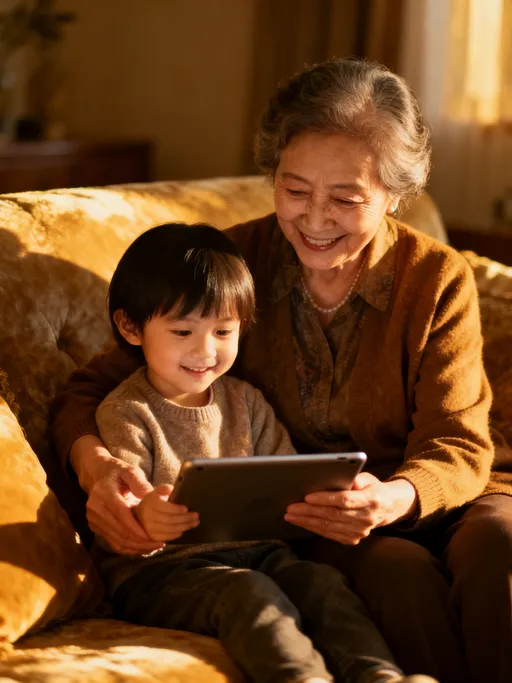
One Saturday, my son came home from Mr. Patel’s yard, grinning. “He taught me how to change a bike tire!” he said. “And he wants me to show him how to use that drawing app on the tablet.” That’s when it hit me: our network wasn’t just about safety anymore. It was about growth. About passing things down. About letting kids learn from elders and elders learn from kids. The same group that helped find a lost dog now helps teens build confidence and seniors feel connected.
And the best part? No one’s stressed about organizing it. Because we’re not running a nonprofit or a committee. We’re just neighbors who like each other. The joy came naturally because the anxiety had faded. When you’re not constantly worried about what might go wrong, you have space to enjoy what’s going right. We laugh more now. We knock on doors just to say hi. We borrow sugar and return it with cookies. It sounds simple—because it is. But it’s also rare. And it’s everything.
Growing Together, One Small Step at a Time
We didn’t go from five families to twenty overnight. It grew like a garden—slow, with care. The first rule we kept was simple: respond kindly, even if you can’t help. That meant no guilt, no pressure. If someone asked for a ride and you were busy, you could just say, “Wish I could—hope someone else can!” And that small kindness kept people from feeling burdened.
We also made sure to include everyone. When new families moved in, we didn’t just add them to the chat. We invited them to a welcome coffee. We introduced them to the rhythm of our group. We didn’t push. We just made space. And slowly, they started contributing—first a thank-you, then a favor, then a message of their own.
Events helped too. Not big, formal things—just low-pressure gatherings. A trash cleanup day. A holiday cookie swap. A “kids teach seniors tech” afternoon. These weren’t about recruitment. They were about connection. And when people saw us laughing, helping, sharing—they wanted in. Not because of the app. Because of the feeling.
Now, when I walk down the street, I see kids playing in different yards, elders sitting together on porches, families sharing tools and time. It’s not perfect. We still have busy days and miscommunications. But the foundation is strong. And that strength came from tiny choices—sending a message, showing up, saying yes to coffee. Technology helped us stay connected, but it was our willingness to care that made the circle grow.
Real Tools, Real Simplicity
You might be wondering: what app do you use? How do you keep it private? Is it hard to manage? Let me tell you—it’s easier than setting up a PTA account. We use a free, encrypted messaging app that most smartphones come with. No downloads, no fees, no training. Just a group chat with a simple name: Maple Street Circle. We made it invite-only. Only people on our block or the adjacent ones can join, and they have to be invited by two current members.
Setting it up took one evening. I created the group, added the first five families, and set the rules in the description: No after-hours messages unless urgent. Be kind. No screenshots. Ask before adding anyone. We picked two admins—me and Mrs. Alvarez—to help manage things, but honestly, there’s not much to manage. Most of the time, the group runs itself.
We also agreed on some quiet norms. Like, if someone posts a worry, we reply quickly—even if just to say, “Got your message.” If we see something odd, we don’t post fear. We message the admins privately first. And we celebrate the good stuff too: birthdays, new jobs, recovered pets. That balance keeps the tone warm, not anxious.
The beauty is, you don’t need technical skills. You don’t need money. You just need a few neighbors who care. Start small. Invite three families. Share your story. Ask, What if we looked out for each other a little more? Use the tools you already have. Keep it simple. And let trust do the rest.
The Quiet Confidence That Stays With You
Now, when my child rides their bike around the block, I don’t hold my breath. Not because the world is safer—but because I know who’s around. I know that if they fall, someone will help. If they’re late, someone will notice. And if they’re just having fun, someone will smile and wave.
That quiet confidence—it’s deeper than relief. It’s peace. It’s the feeling of being seen. Of belonging. Of knowing you’re not raising your kids, caring for your parents, or living your life in isolation. You’re part of something small but strong. And that changes everything.
Technology didn’t fix our neighborhood. We did. But tech gave us a way to say, I’m here. I see you. I’ve got your back. It didn’t replace human connection—it made it easier to find. And in a world that often feels too fast, too loud, too disconnected, that’s a gift.
We didn’t just cut our stress by 70%. We grew our joy. We built a circle that holds us—through rain, storms, lost mittens, and everyday moments. And the best part? It’s still growing. One message, one coffee, one small act of care at a time. If you’re feeling that knot in your stomach, I get it. But what if you didn’t have to carry it alone? What if your neighbors could help hold it too? You don’t need a miracle. You just need to start. Send the message. Invite the coffee. Say, Let’s look out for each other. Because peace doesn’t come from perfect systems. It comes from people who care. And that’s something no gadget can ever replace.