I keep hitting snooze — How my smart bedroom finally taught me to wake up right
Ever caught yourself slamming the snooze button for the fifth time, already dreading the day? You're not alone. I used to start every morning stressed and rushed, until I realized my bedroom wasn’t working with me—it was working against me. Then I made one small change: I stopped fighting my habits and let my environment guide me. Now, I wake up feeling refreshed, on time, and actually ready to begin. This isn’t about willpower. It’s about designing a smarter morning—one that starts the night before.
I’ll just sleep a little longer — Why Morning Struggles Start at Night
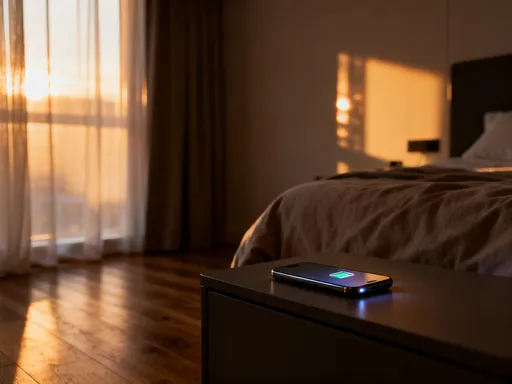
Let’s be honest—how many of us truly wind down the way we should? I used to tell myself, “Just five more minutes on my phone,” only to look up 45 minutes later, eyes wide open and mind racing. I’d blame myself for lacking discipline, but the truth is, my environment wasn’t helping. The bright screen, the late-night emails, the inconsistent bedtime—it all added up. Science shows that the hour before sleep is critical. Blue light from devices suppresses melatonin, the hormone that tells your body it’s time to rest. And when you’re scrolling through social media or answering work messages, your brain doesn’t get the signal that it’s time to slow down. I was setting myself up for failure before I even climbed under the covers.
What I didn’t realize then was that my bedroom wasn’t neutral—it was actively working against my rest. The room was too warm, the lighting too harsh, and my routine completely unpredictable. I’d go to bed at 10:30 one night, midnight the next. No wonder I felt groggy in the morning. It wasn’t just about how much I slept, but how I slept. The quality of rest depends on consistency, comfort, and cues. And I had none of those. I kept thinking I needed more motivation to change, but what I really needed was a system that made the right choice the easy one. That’s when I started to shift my focus—from willpower to environment.
Instead of asking myself to “just go to bed earlier,” I began to ask, “What can my bedroom do to help me?” That small shift changed everything. I realized I didn’t need to be perfect. I just needed a space that gently guided me toward better habits. And that’s exactly what smart technology made possible—not by replacing me, but by supporting me.
The Bedroom That Knows You Better Than You Know Yourself
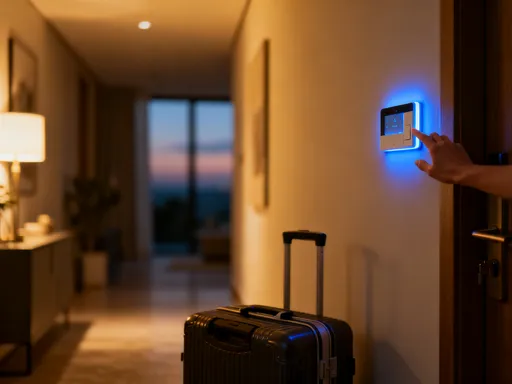
Now, imagine walking into your bedroom and feeling your shoulders drop the moment you step inside. That’s what my room feels like now—not because I’ve turned it into a futuristic lab, but because it’s designed to care for me. The first thing that changed was the lighting. I installed smart bulbs that automatically dim at 8:30 p.m., shifting from bright white to a warm, amber glow. It’s subtle, but powerful. That soft light signals to my brain, “It’s time to slow down.” I don’t have to remember to turn off the harsh overheads—I don’t even have to think about it. The room does it for me.
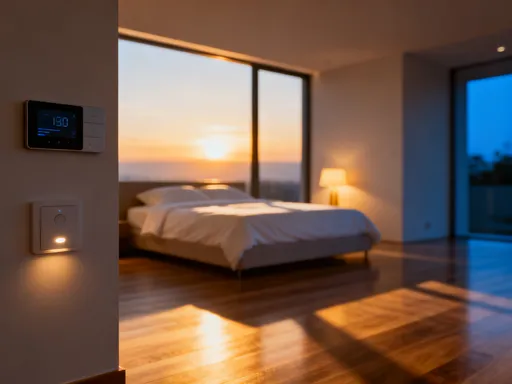
Then there’s the temperature. I used to wake up too hot or too cold, tossing and turning without knowing why. Now, a smart thermostat learns my preferred sleep temperature and adjusts the room to stay between 66 and 68 degrees—the ideal range for deep rest. I’ve also added an air quality monitor that checks humidity and CO2 levels. If the air gets stuffy, it quietly turns on a small purifier. These aren’t flashy features—they’re quiet, consistent supports that keep my body comfortable so my mind can truly rest.
What’s amazing is how these small changes started to reshape my behavior without me forcing it. At first, I’d still reach for my phone after the lights dimmed. But over time, that warm glow became a cue. My body began to associate it with winding down. I started putting my phone away earlier, not because I was trying harder, but because the environment made it feel natural. It’s like my bedroom started to know me—my rhythms, my needs, my tendencies—and gently steered me in the right direction.
From Chaos to Calm: How Automation Builds Better Habits
We often think habits are built through sheer willpower, but the truth is, they’re built through repetition and context. Your brain loves patterns. When something happens the same way every day, it becomes automatic. That’s why automation is such a game-changer. It doesn’t rely on motivation—it creates consistency. For example, every night at 10 p.m., my smart speaker plays a soft chime and says, “Time to start winding down.” It’s not loud or demanding—just a gentle nudge. At first, I ignored it. But after a few weeks, I noticed I was already brushing my teeth when it played. The cue had become part of my routine.
That’s behavioral design in action. Technology isn’t replacing me—it’s reinforcing the habits I want to build. Another example: my smart blinds close automatically at 9 p.m. At first, I thought it was overkill. But I quickly realized how much natural light was keeping me alert. Now, when the room darkens, it feels like a signal—a soft invitation to slow down. I’ve even linked my bedtime routine to my kids’ schedule. When their nightlight turns off, my lights dim. It keeps the whole house in sync, and I don’t have to remember a thing.
The beauty of this isn’t in the gadgets—it’s in the peace they bring. I’m not constantly making decisions about when to turn things off or what to do next. The environment takes care of it. And over time, those automated cues become internalized. I don’t need the chime anymore to know it’s time to relax. My body has learned the rhythm. That’s the real win: technology helping me build a life that feels easier, not more complicated.
Tracking Goals Without the Guilt: A Kinder Way to Stay on Track
Let’s talk about goal tracking—because most of us have been burned by it. How many times have you opened a sleep app, seen a red “7 hours” when you needed 8, and instantly felt like a failure? That’s not motivation—that’s shame. And shame doesn’t help us change. It makes us want to hide. I used to dread checking my sleep data because it felt like a report card. But the smart system I use now approaches tracking differently. It doesn’t highlight what I did wrong. It celebrates what I did right.
Every morning, I get a simple notification: “You fell asleep 12 minutes earlier than yesterday—great job!” Or, “You’ve gone to bed within 30 minutes of your goal for 5 nights in a row.” No judgment. No pressure. Just encouragement. It’s like having a kind friend cheer you on, not a strict coach scolding you. And that small shift in tone makes all the difference. I’m more likely to keep going because I feel supported, not criticized.
The system tracks bedtime consistency, sleep duration, and rest quality using a sleep-tracking ring—not a perfect tool, but a helpful one. It doesn’t give me medical advice. It just shows trends. And when I see that I’ve been going to bed later during a stressful week, I don’t beat myself up. I notice it. I adjust. It’s not about perfection—it’s about awareness. The data becomes a mirror, not a judge. And because the feedback is gentle, I’m more open to it. I’ve even started sharing progress with my sister. We send each other little updates like, “I made it to bed by 10:30—high five!” It’s become a shared journey, not a solo struggle.
The Morning That Actually Works for You
Here’s the thing I never expected: my mornings got better before I even woke up. That’s because my smart bedroom doesn’t just help me sleep—it helps me wake up right. Every morning, 30 minutes before my alarm, the thermostat gently raises the room temperature by two degrees. Cold rooms can make waking up feel jarring. But when the space is just a little warmer, it feels more inviting. At the same time, my smart lights begin to simulate a sunrise. They start with a soft glow and slowly brighten over 20 minutes, mimicking natural dawn.
When the alarm finally sounds, I’m not startled. I’m already in a lighter stage of sleep, my body gently cued by the light and warmth. I don’t slam the snooze button. I actually open my eyes and stretch. Some days, I even smile. That might sound small, but it’s huge. Starting the day with calm instead of chaos changes everything. I have more patience with the kids. I make time for tea instead of rushing straight to the coffee machine. I feel present, not frantic.
And here’s the best part: I didn’t have to rewire my brain or adopt a complicated routine. The environment did the work for me. I used to think I needed more discipline to wake up better. But what I really needed was a morning that respected my biology. Light, temperature, and timing—these are powerful cues. When they’re aligned with how your body naturally works, waking up stops feeling like a battle. It starts feeling like a welcome return.
Making It Yours: Simple Steps to Start Small
I know what you might be thinking: “This sounds great, but I don’t want to turn my bedroom into a tech lab.” And you don’t have to. That’s the beauty of this approach—you can start small. You don’t need every gadget on day one. In fact, I recommend starting with just one thing. For me, it was a smart plug. I plugged my bedside lamp into it and set it to turn off at 10 p.m. That simple act created a boundary. No more late-night reading with bright light. Just a soft reminder that it was time to rest.
Another easy step? A sunrise alarm clock. It’s a standalone device—no app, no setup. It just glows in the morning. I gave one to my mom, and she loves it. She says it feels like the sun is waking her up, even in the middle of winter. Or try a sleep-tracking ring. It’s not a medical device, but it gives you a sense of your patterns. The key is to pair the technology with intention. Don’t just buy a gadget—connect it to a habit. For example, link your bedtime to a wind-down ritual: tea, journaling, or a few minutes of stretching. When the light dims, that’s your cue to begin.
And remember—this isn’t about perfection. Some nights, I still stay up too late. Some mornings, I still hit snooze. But the difference is, I’m not starting from zero every day. I have a system that helps me get back on track. Even if I slip, the environment is still there, gently guiding me. Progress, not perfection. That’s the goal.
More Than Sleep: How Small Changes Create a Lighter, Smarter Life
Here’s what surprised me most: better sleep didn’t just change my mornings. It changed my whole life. I have more focus during the day. I’m less reactive when things go wrong. I listen better—to my kids, my partner, my friends. I have more energy to cook, to move, to enjoy the small moments. It’s like reclaiming pieces of myself I didn’t even realize I’d lost.
The smart bedroom became more than a tech upgrade—it became a symbol of how I want to live. Intentionally. With care. Not rushing, not resisting, but flowing with my natural rhythms. Technology, when used this way, isn’t a distraction. It’s a quiet ally. It doesn’t replace human effort—it supports it. It helps me become the person I want to be: calmer, clearer, more at ease.
And that’s the real magic. It’s not about the gadgets. It’s about what they make possible. A morning without dread. A body that feels rested. A mind that’s ready to engage. You don’t need to overhaul your life to find this. You just need to start where you are. Tweak one thing. Notice what changes. Let your environment help you, not fight you. Because you deserve to wake up feeling ready—not just to survive the day, but to live it.