Cut Our Family Dinner Chaos from 60 Minutes to 20: How Route Planning Tools Fixed Our Evenings
Family dinners used to stress me out—rushing, late arrivals, cold food, frustration. We weren’t connecting; we were just surviving. The kitchen would be a mess, I’d be checking the clock every two minutes, and the kids would be doing homework at the table while my husband warmed his plate for the third time. What changed? It wasn’t a new recipe or a meal prep subscription. It was realizing the real problem wasn’t dinner—it was getting everyone home. Once I started using route planning tools not for directions, but for timing, everything shifted. We cut our chaotic dinner prep window from over an hour down to just twenty minutes—and more importantly, we got our evenings back.
The Dinner Rush That Felt Like a Daily Defeat
Let me paint you a picture: it’s 5:45 p.m. I’m standing in the kitchen, stirring a pot of pasta I started 20 minutes ago, glancing at my phone every 30 seconds. My older daughter texted she’s still at soccer practice—again. My younger son is at a friend’s house and needs a pickup. My husband’s in meetings until 6, and traffic on his route is always unpredictable. I call him just to confirm—"Are you leaving soon?"—and he says, "I’m wrapping up," which could mean five minutes or twenty. Meanwhile, the broccoli is overcooked, the table’s set, and the kids are hungry, restless, and starting to argue. By the time everyone finally sits down, it’s past 7. The food’s lukewarm, my patience is gone, and what should’ve been a peaceful family meal feels like a race we lost.
This wasn’t an occasional mess. This was our routine. Night after night, we’d repeat the same exhausting cycle. And the worst part wasn’t the cold food or the mess—it was the emotional weight. We were missing the point of dinner entirely. It wasn’t just about eating together. It was supposed to be our anchor, the one time we slowed down, shared our days, and felt like a family. Instead, it became a source of tension. I’d snap at the kids for not helping. My husband would apologize for being late—again. The kids would eat quickly and bolt to their rooms. We weren’t reconnecting. We were surviving.
And I know I’m not alone. So many moms I talk to describe the same thing—dinner as a battlefield, not a sanctuary. The irony? We’re all so focused on making healthy meals, sourcing organic ingredients, trying to do it all “right,” but we’re missing the simplest part: actually being together. The food doesn’t matter if no one’s at the table. The connection doesn’t happen if everyone’s stressed and scattered. Something had to change—not in how I cooked, but in how we moved through our day.
The Unexpected Fix Hid in Plain Sight
Here’s the moment it clicked: I was driving home from picking up my son, and my navigation app pinged—"Heavy traffic ahead on Route 12. Expected delay: 18 minutes." I groaned, took a detour, and made it home just five minutes later than usual. But as I pulled into the driveway, I thought: Why do I only use this tool when I’m already on the road? Why wasn’t I using it earlier—before I even left work, before the kids’ practices ended—to plan around the chaos?
That’s when it hit me. The bottleneck wasn’t the cooking. It wasn’t the kids’ schedules. It was the commute. We were all moving through space at different times, with no real coordination. I was trying to time dinner like a science experiment, but I wasn’t accounting for the biggest variable: traffic.
So I started thinking differently. What if I treated our family like a logistics network—not in a cold, robotic way, but with care and intention? What if I used the same tools I used for weekend trips or grocery runs to protect our most important daily ritual? That night, I opened my husband’s location in the map app and watched his dot move slowly across the city. I could see he was stuck, and instead of texting him anxiously, I just adjusted dinner by 10 minutes. No stress. No guilt. Just information.
That small shift changed everything. I wasn’t managing time anymore—I was protecting connection. The goal wasn’t to speed things up. It was to bring us together, on purpose. And the tool that helped? Something already on all of our phones. No extra cost. No learning curve. Just a new way of using what we already had.
How Route Planning Became Our Dinner Guardian
I’ll be honest—I didn’t go full tech nerd overnight. I didn’t install new apps or buy smartwatches. I just started using the map app I already had in a new way. First, I asked my husband if he’d mind sharing his location during weekday evenings. Not 24/7—just from 4 to 7 p.m. He laughed and said, "You just want to know when I’m running late, don’t you?" I said, "Yes, but also so I don’t stress. And so I can time dinner right."
We both use the same navigation app, so it was easy. I could see his estimated arrival time updating in real time. When it jumped from 35 minutes to 50, I didn’t panic. I just texted the kids to start homework, and I delayed turning on the oven. Simple. Calm. In control.
Then I did the same with the kids. My daughter’s school ends at 3:15, but her bus doesn’t leave until 3:30, and traffic near her school is brutal. I started checking the route from her school to home before I left work. If I saw a delay, I’d leave earlier or adjust my errands. I also set up a shared family calendar with pickup times, and linked it to reminders. Now, when it’s time to leave for her soccer practice, my phone buzzes: "Pick up Maya in 15 minutes." I don’t have to remember. The tech does.
And here’s the quiet magic: when everyone knows when everyone else is coming home, the whole energy shifts. The kids don’t hover in the kitchen asking, "Is Dad here yet?" I don’t keep opening the front door to look down the street. We trust the system. We trust the timing. And that trust creates space—for breathing, for talking, for just being.
Small Changes, Big Shifts in Family Rhythm
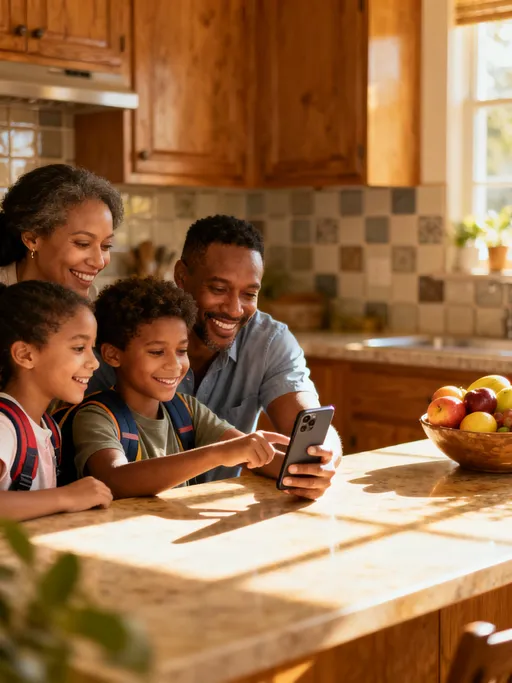
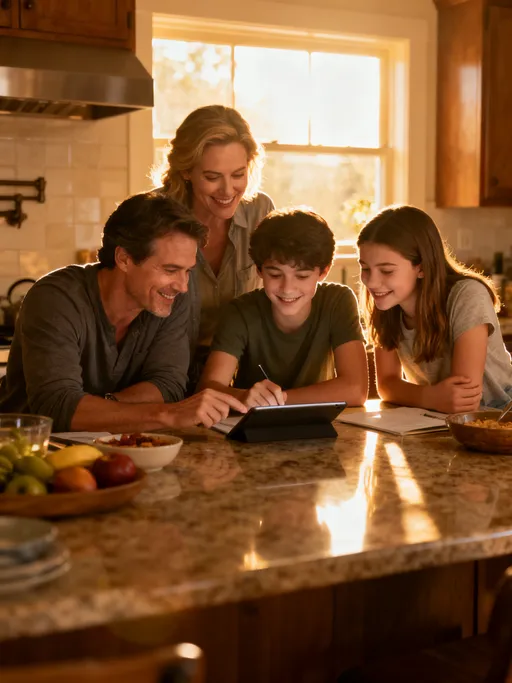
Let me tell you what dinner looks like now. It’s 6:05 p.m. My husband texts: "Leaving office. ETA 28 minutes." I glance at the map—traffic’s light. My daughter’s already home, doing homework at the table. My son’s playing quietly in the living room. I start the rice. At 6:20, I hear the garage door. My husband walks in, drops his bag, and says, "Smells amazing." He changes, washes up, and by 6:30, we’re all sitting down—plates full, food warm, moods calm.
The difference isn’t just in the timing. It’s in the tone. No rushing. No last-minute scrambling. No one eats standing up. The kids actually talk about their day—without being asked twice. My husband puts his phone away. We laugh. We connect. And when dinner’s over, we clean up together, still chatting.
Compare that to six months ago, when dinner started at random times between 6:45 and 7:15, and you’ll see why this matters. It’s not just about eating together. It’s about creating a rhythm. When the evening starts with calm instead of chaos, everything else follows. Homework gets done earlier. Baths happen without resistance. Bedtime is smoother. Even our sleep has improved—because we’re not winding down from stress.
And the kids? They’ve noticed. My daughter said the other day, "I like how we all eat together now. It feels… normal." That word hit me. Normal. Not perfect. Not fancy. Just steady. Predictable. Safe. And isn’t that what we all want for our families?
Beyond the Table: Building a Life That Feels in Sync
Here’s what surprised me: fixing dinner didn’t just fix dinner. It fixed more. Once we got this one piece working, other things started falling into place. We argued less. The kids seemed less anxious. My husband said he felt more present at home, not just physically, but emotionally. I stopped going to bed replaying the evening’s frustrations.
Turns out, predictability is calming. When one part of your day runs smoothly, it builds confidence in the rest. You start to believe you can manage the chaos. You stop feeling like you’re constantly putting out fires. And when your children see that, it gives them security. They don’t have to wonder, "Who’s picking me up? When’s dinner? Is Mom stressed again?" They know. They trust the routine.
I’ve also noticed we’ve started using this mindset in other areas. We plan weekend outings with the same care—checking traffic, packing snacks ahead, setting realistic timelines. We’re not trying to over-schedule. We’re trying to protect peace. And it works. Even our weekend visits to grandparents feel less rushed because we leave with time to spare, thanks to real-time route alerts.
But the biggest change? We’ve reclaimed the feeling of being a team. Before, we were all moving in different directions, barely coordinating. Now, we’re moving toward each other. We’re syncing. And that sense of unity—it spills into everything. From how we handle chores to how we support each other during tough days, we feel more connected. All because we started using a map app a little differently.
Making It Work for Any Family (No Tech Expertise Needed)
You might be thinking, "This sounds great, but my family doesn’t even use the same apps." Or, "I don’t want to track everyone like Big Brother." I get it. That’s why I kept this simple, gentle, and totally optional.
First, pick one navigation app—Google Maps, Apple Maps, Waze—whatever most of your family already uses. No need to switch. Then, talk about it as a team. Say something like, "I’m trying a new way to help us eat together more easily. Would you be okay sharing your location just during the week, from 4 to 7? It’ll help me time dinner better and reduce stress for all of us."
Make it a choice, not a demand. And limit the time. It’s not about surveillance. It’s about coordination. You can turn it off anytime.
Next, set up automatic routines. On Android or iPhone, you can create a “Commute Home” alert that pings you when traffic is bad. You can also set a daily reminder at 4:30 p.m. that says, "Check family locations." Small nudges make a big difference.
Link your calendar, too. If your son has baseball at 4:00, input it. The app will warn you if traffic will make you late. And if you’re picking up multiple kids, use the route planner to map the most efficient path—school, then soccer, then home. It’s not just about speed. It’s about peace of mind.
Here’s a real exchange from our family group chat last week:
"Mom: Just left work. ETA 32 mins. Traffic light."
"Dad: Got it. I’ll start the salad."
"Maya: Can we eat at 6:30 then? I want to finish my book."
"Me: Yes! Perfect."
Simple. Clear. Connected.
You don’t need smart fridges or voice assistants. You don’t need to be a tech pro. You just need a phone, a shared app, and the desire to be together. That’s it.
The Real Win Wasn’t Saved Time—It Was Regained Togetherness
When I first started using route planning for dinner, I thought the goal was efficiency. I wanted to cut down the chaos. I wanted hot food and clean plates. But what I got was so much more. I got presence. I got peace. I got my family back at the table—not just in body, but in spirit.
Technology gets a bad rap sometimes. We hear it pulls us apart, distracts us, isolates us. And yes, it can. But it doesn’t have to. When we use it with intention—when we choose tools not to replace human connection, but to protect it—we discover its quiet power. It can be the thread that helps us stay woven together, even in the busiest seasons of life.
This wasn’t about mastering an app. It was about honoring a value. The dinner table is where we teach kindness, share stories, and say, "You matter." When we show up—on time, calm, ready to listen—we’re saying that without words. And that’s worth every small effort.
So if your evenings feel scattered, if dinner feels like a battle, I invite you to try this. Not because you need another productivity hack, but because your family deserves moments that feel whole. Start small. Use the tools you have. Aim not for perfection, but for presence. Because the most meaningful routines aren’t built by chance. They’re built by choices—tiny, smart, loving ones—that add up to a life that feels, finally, in sync.