I Don’t Have Time to Eat Well—Until This App Quietly Reshaped My Workday Meals and My Energy
"I don’t have time to eat well" was my daily excuse—until this app quietly reshaped my workday meals and my energy. We’ve all been there: stuck at your desk, surviving on vending machine snacks, telling yourself you’ll eat better *tomorrow*. I felt the same—until a simple nutrition app didn’t just track my meals, but gently guided me into a calmer, clearer, more balanced routine. It wasn’t about dieting. It was about designing a day that finally worked for me. And honestly? The biggest surprise wasn’t how I started eating better. It was how much more *like myself* I began to feel.
The Workday Survival Mode (And Why We Accept It)
Let’s be real—most of us aren’t living the kind of life where we wake up at 6 a.m., blend a smoothie with kale and chia seeds, and eat mindfully at a sunlit table. Our days start with a rush: kids to school, emails piling up, meetings back-to-back. By the time lunch rolls around, we’re not hungry—we’re desperate. And so, we grab whatever is closest. A granola bar that’s mostly sugar. A sandwich wrapped in plastic from the corner shop. Or worse, nothing at all.
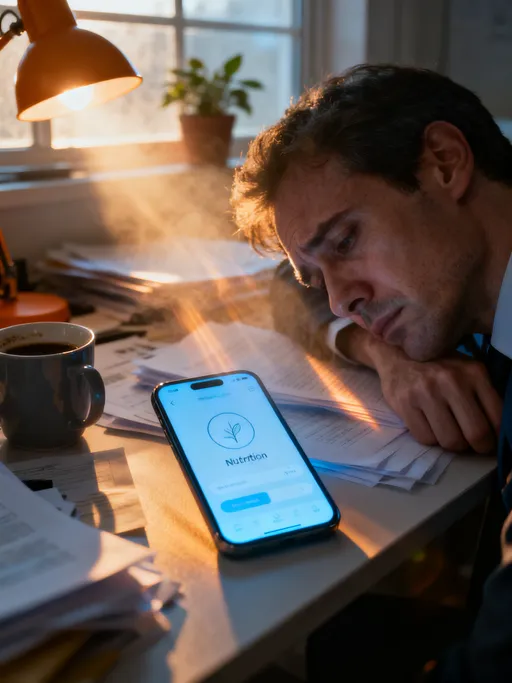
I used to think this was just how adulthood worked. "Busy people eat like this," I’d tell myself. But the truth? It wasn’t just my body paying the price. My mind was, too. By 3 p.m., I’d feel foggy, irritable, and completely drained. My shoulders would tense up, my eyes would glaze over my screen, and I’d reach for another coffee—knowing full well it wouldn’t fix the real problem. I wasn’t just tired. I was running on empty.
And here’s what I didn’t realize: this wasn’t survival. It was a slow erosion of my well-being. Skipping breakfast didn’t save me time—it stole my focus. Grabbing fast food didn’t make my day easier—it made me feel guilty and sluggish. The emotional toll was real. I started to believe I wasn’t doing enough, that I couldn’t keep up, that maybe I just wasn’t cut out for balancing everything. But the truth was simpler: my body wasn’t getting the fuel it needed. And no amount of willpower could fix that.
We accept this rhythm because it feels inevitable. But what if it didn’t have to be? What if the problem wasn’t our time, but the way we thought about food in the first place? Not as another chore, but as the foundation of how we feel, think, and show up in the world?
Meet the App That Noticed What I Ignored
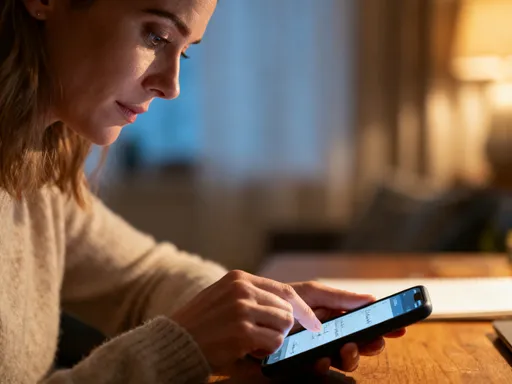
I downloaded the app on a whim—another thing I promised myself I’d try "for a week." I expected calorie counters, guilt-inducing red alerts, and a long list of foods I’d have to give up. But what I found was completely different. Instead of judging me for my vending machine chips, it asked, "What made you reach for that?" Instead of shaming me for skipping lunch, it gently suggested, "You usually feel tired around now. How about a small snack with protein?"
That was my first "aha" moment. I’d never thought about food as something that could *support* my energy—not just fill my stomach. The app didn’t care if I ate organic or homemade. It cared about how I felt. It noticed patterns I’d completely missed: that I always crashed after eating a carb-heavy lunch, that I was more likely to skip dinner if I didn’t eat something by 4 p.m., that my best work happened on days when I actually took a real lunch break.
One afternoon, it sent me a simple notification: "Try a hard-boiled egg and an apple at 2:30 p.m. to keep your energy steady." I rolled my eyes—but I did it. And for the first time in months, I made it through my 4 p.m. meeting without yawning, without that heavy, foggy feeling. I wasn’t just less tired. I was *present*. I remembered what it felt like to be alert, to think clearly, to actually enjoy my work.
This wasn’t about weight loss. It wasn’t about eating "perfectly." It was about feeling better—really better—in the middle of a busy day. And for the first time, I felt like someone was actually *seeing* my life, not just judging it.
How It Learned My Real Life (Not Just My Calories)
What surprised me most was how the app adapted to *my* rhythm—not the other way around. It didn’t expect me to wake up early to meal prep. It didn’t scold me for eating leftovers at 9 p.m. after helping my kids with homework. Instead, it started to learn. If I logged that I felt tired after a 1 p.m. meeting, it would suggest a lighter lunch the next day. If I skipped breakfast, it would remind me to pack a snack for the car.
One of the most powerful features was the mood tracker. At first, I thought it was gimmicky. "Why would I log how I feel after eating?" But within a week, I started to see patterns. On days when I ate a balanced breakfast, I felt calmer. When I skipped meals, I was more anxious. When I ate something too sugary, I’d feel regretful—and tired—by mid-afternoon. The app didn’t tell me what to do. It just helped me *notice*.
It also synced with my calendar. If I had a late meeting, it would adjust my dinner reminder. If I was traveling, it would suggest easy-to-find foods at airports or hotels. And the grocery list feature? Game-changer. Instead of staring into the fridge at 7 p.m. wondering what to make, I’d already have a list of ingredients based on what I’d told the app I wanted to eat that week. No pressure. No perfection. Just support.
I realized something important: I wasn’t bad at eating well. I was just never *aware* of how my choices affected me. The app didn’t fix my life. It gave me the tools to understand it.
Small Shifts, Big Ripple Effects
The changes started small. I began packing a real lunch twice a week. Then three times. I started keeping almonds and yogurt in my desk drawer. I swapped my afternoon soda for sparkling water with lemon. And slowly, something shifted—not just in my body, but in my whole day.
I had fewer headaches. I stopped needing that third cup of coffee. I slept better. And the biggest surprise? My focus improved. I could sit through a long email thread without losing my train of thought. I felt more patient with my kids, more present in conversations, more in control of my time. It wasn’t magic. It was fuel.
But here’s the ripple effect I didn’t expect: one good choice led to another. Because I felt better after eating a healthy lunch, I was more likely to go for a walk after dinner. Because I had more energy, I started doing yoga videos at home—even if just for ten minutes. Because I wasn’t crashing by 7 p.m., I had the mental space to read a book, call a friend, or just sit quietly.
It wasn’t about overhauling my life. It was about creating one anchor—a reliable, doable habit—that made everything else feel a little easier. And that anchor was food. Not as a chore, not as a source of guilt, but as a daily act of care. When you feed your body well, you start to treat yourself with more kindness in other areas, too.
Making It Work With My Real Schedule (Not a Perfect One)
I’ll be honest—my life isn’t predictable. Some days, I’m home by 5 p.m. Others, I’m in meetings until 8. Some weeks, I have time to cook. Others, I’m lucky if I can heat up soup. The beauty of this app is that it doesn’t demand perfection. It works with *your* reality.
Here’s what I’ve learned: batch-cooking two meals on Sunday doesn’t have to mean cooking for seven days. I make a big pot of chili and a sheet pan of roasted vegetables. That gives me three lunches and two dinners—enough to cover the busiest days. The app helps me plan those meals based on what I already have in the fridge, and it adjusts the grocery list automatically.
For days when I’m on the go, I use the voice log feature. Instead of typing, I just say, "Ate a turkey sandwich and an orange at my desk," and it logs it. No fuss. No pressure. And when I’m too busy to eat, the app sends a gentle nudge: "You haven’t eaten in 5 hours. Can you take 10 minutes?" Sometimes I can’t. But just being reminded helps me pause and make a better choice when I can.
The key is flexibility. The app doesn’t care if you eat at 6 p.m. or 8 p.m. It cares that you eat. It doesn’t care if your lunch is homemade or from a café. It cares that it fuels you. And that mindset—of kindness over control—has changed everything.
When Tech Feels Like a Friend, Not a Taskmaster
I’ve tried other apps before. And let’s be honest—most of them feel like a drill sergeant. "You’re over your calorie limit!" "You didn’t exercise today!" They made me feel worse, not better. This one? It feels different. It doesn’t yell. It whispers.
It celebrates small wins. "You’ve eaten vegetables at lunch for three days in a row—great job!" It notices effort. "We see you logged your meals even on a tough day. That matters." It offers insights, not commands. "You tend to feel more energized when you eat protein at breakfast. Want to try that tomorrow?"
That shift—from guilt to care—is everything. I’m not using this app to punish myself. I’m using it to *support* myself. It’s like having a wise, kind friend who knows my schedule, remembers what works for me, and gently reminds me to take care of myself—even when I’m too busy to remember.
And that’s the real power of technology: not to track, but to *see*. Not to judge, but to understand. When a tool feels like it’s on your side, it stops being a chore and starts feeling like a companion.
Building a Life That Feels Lighter—One Meal at a Time
This journey wasn’t about losing weight or following a trend. It was about reclaiming a sense of control in a life that often feels out of balance. The app didn’t fix everything—I still have busy days, stressful moments, and times when I just eat what’s there. But it gave me one thing I hadn’t realized I was missing: a daily reminder that I matter.
Every time I log a meal, every time I follow a gentle suggestion, every time I choose something that makes me feel good—it’s a small act of saying, "I’m worth the effort." And over time, those small acts add up. My energy is steadier. My mind is clearer. My days feel more manageable.
What started as a simple tool for eating better became something deeper: a practice of self-awareness, of kindness, of showing up for myself even in the chaos. It taught me that I don’t have to do everything perfectly to feel better. I just have to start—wherever I am, with whatever I’ve got.
So if you’re reading this and thinking, "I don’t have time to eat well," I get it. I used to say that every day. But what if you didn’t have to change everything? What if you just started with one meal? One snack? One small choice that honors how you want to feel?
Because here’s the truth: your routine doesn’t have to work against you. It can work *with* you. And sometimes, all it takes is one little nudge—a quiet suggestion, a gentle reminder, a tool that sees you—to help you build a life that feels a little lighter, a little brighter, and a lot more like your own.