More Than Just a Setting: How Energy-Saving Mode Made My Life Lighter
You know that little battery icon in the corner of your phone? I used to ignore it—until I started paying attention to energy-saving mode. What seemed like a tiny tech trick actually changed how I use my devices every day. Less charging, lower bills, and more peace of mind. It’s not magic—it’s smart. And honestly, it made my routine smoother, my home more efficient, and my wallet a little happier. I didn’t set out to become an energy-saving expert. I just wanted my phone to last through the school run, my laptop to make it through a work call, and my tablet to stay on during bedtime stories. Turns out, a single feature I’d never really used was the quiet hero I needed all along.
The Moment I Realized My Devices Were Working Too Hard
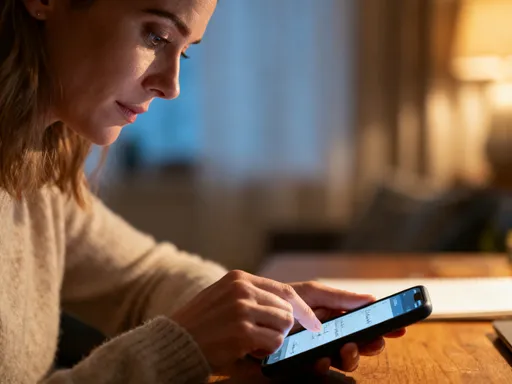
It was a Tuesday—rushed, messy, and full of the usual chaos. I was picking up my youngest from soccer practice, trying to check an email on my phone before heading into the grocery store. The screen flickered, then went black. Not low battery. Completely dead. I had forgotten to charge it overnight, and somehow, it had drained even though I hadn’t touched it in hours. I remember standing there, one hand on the car door, the other holding a dead phone, feeling that familiar knot of frustration tighten in my chest. Sound familiar? That moment wasn’t just about a dead battery. It was a wake-up call.
I started paying attention to how much energy my devices were using, even when I wasn’t actively using them. My phone would lose 20% overnight. My laptop fan would hum loudly even when I was just typing. My smart speaker would blink and chime at random times. I realized that behind the scenes, my gadgets were working overtime—running updates, checking for notifications, syncing in the background—all while I thought they were resting. It was like having a house full of lights left on in empty rooms. I wasn’t just wasting power. I was creating unnecessary stress for myself.
And it wasn’t just my phone. At home, I noticed how many devices were always on. The TV on standby. The coffee maker with a glowing clock. The router that never slept. I read that these ‘phantom loads’—also called vampire power—can make up to 10% of a household’s electricity use. That’s like leaving a light on in every room, all day, every day. The more I looked, the more I saw how much energy was slipping through the cracks. But instead of feeling overwhelmed, I decided to start small. And the first place I looked was right on my phone: energy-saving mode.
What Energy-Saving Mode Really Does (And Why It’s Not Just for Techies)
Let’s be honest—when I first heard “energy-saving mode,” I pictured something complicated. Like a settings menu full of sliders and technical terms I wouldn’t understand. But it’s not like that at all. Think of it as a calm-down switch for your devices. Instead of running at full speed all the time, they work smarter, not harder. It’s like switching from sprinting to a steady walk. You still get where you need to go, but with less effort and more control.
Here’s what actually happens when you turn it on. Your screen brightness adjusts to use less power—just enough to see clearly, but not so bright it’s draining the battery. Background apps slow down or pause. That means your social media apps aren’t constantly refreshing, your email isn’t checking every 30 seconds, and your maps aren’t tracking your location when you’re not using them. Even little things like animations and vibrations are reduced. All of this adds up to one big thing: your device uses less energy without stopping the things you actually care about.
The best part? You don’t have to be a tech expert to use it. It’s built into every smartphone, tablet, and laptop these days. On iPhones, it’s called Low Power Mode. On Android phones, it’s Battery Saver. On Windows and Mac, it’s Power Saver or Optimized Battery Charging. The names are different, but the idea is the same. And you don’t have to choose between performance and battery life. Most of these modes automatically turn off when your device is charged, so you get the best of both worlds. It’s not about giving up convenience. It’s about using your tech in a way that supports your life, not stresses it.
How Turning It On Changed My Mornings (And My Mood)
I used to start every day the same way: eyes barely open, hand reaching for my phone to check the time, the weather, any overnight messages. And more often than not, the screen would be black. Dead. I’d scramble for the charger, plug it in, wait a few minutes just to see if it would turn on. That small moment of panic—did I miss something important?—set the tone for the whole morning. I’d feel rushed, behind, out of control. It wasn’t just about the phone. It was about how that little failure made me feel.
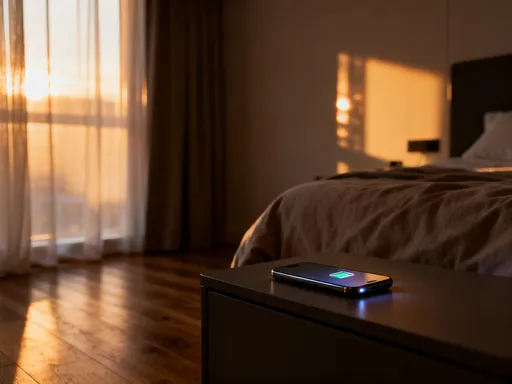
Then I started using energy-saving mode overnight. I turned it on before bed, knowing it would keep my phone alive without overworking it. The next morning, I reached for my phone—and it lit up right away. Fully charged. No panic. No waiting. Just a smooth start to the day. That small change did something surprising: it gave me a sense of calm. I wasn’t starting the day reacting to a problem. I was beginning with a win.
Over time, this tiny habit reshaped my mornings. I wasn’t just saving battery—I was saving energy. Mental energy. Emotional energy. I stopped feeling like my devices were working against me. Instead, they felt like tools that were actually helping. I started doing the same with my tablet, setting it to sleep mode at night so it would be ready for bedtime stories. My laptop now goes into hibernation when I close it, so it wakes up fast in the morning. These aren’t huge changes, but together, they’ve made my routine feel lighter, smoother, and more peaceful. And honestly? That’s worth more than any battery percentage.
Saving Energy at Home: Beyond the Phone
Once I saw how much difference energy-saving mode made on my phone, I started looking at the rest of my tech setup. My laptop, for example, used to die halfway through a workday. I’d be in the middle of a video call, and the battery would drop from 30% to 10% in minutes. Frustrating, right? So I turned on Power Saver mode on my Windows laptop. I adjusted the settings so the screen dims after five minutes of inactivity and the device goes to sleep after 15. I also turned off background apps I didn’t need—like the weather widget and news alerts that were running quietly in the background.
The difference was immediate. My laptop now lasts through a full day of meetings, emails, and even a little online shopping in the afternoon. I don’t have to carry the charger with me anymore. And when I do plug it in, it charges faster because it’s not fighting to keep up with unnecessary tasks. On my Mac at home, I turned on Optimized Battery Charging, which learns my routine and slows down charging when it knows I’ll be plugged in for a while. That helps the battery last longer over time, which means my laptop stays useful for years, not just months.
Then I looked at my smart home devices. My tablet, which I use for recipes in the kitchen, now goes into low-power mode when not in use. My smart speaker doesn’t keep listening all night—I set it to turn off after bedtime. Even my Wi-Fi router has a schedule feature, so it reduces power during the night when no one’s online. These small tweaks didn’t take much time, but they added up. My devices last longer. I charge them less. And I don’t have to think about it as much. That’s the real win—less mental load, more peace of mind.
The Surprise Benefit: Lower Bills and a Lighter Footprint
I’ll admit, I didn’t start this journey to save money or help the planet. I just wanted my devices to work better. But guess what? Both happened. After a few months of using energy-saving modes consistently, I noticed my electricity bill was lower. Not dramatically, but enough to catch my attention. I did a little research and found that the average household can save up to $100 a year just by reducing phantom power and using energy-efficient settings. That’s like getting a small bonus every year—just for using the features already built into your devices.
But the bigger surprise was how it changed my mindset. Once I started paying attention to energy use, I became more aware of other habits. I started unplugging devices I wasn’t using. I switched to LED bulbs. I began air-drying clothes instead of using the dryer every time. These weren’t drastic changes. But they felt meaningful. And for the first time, I felt like I was doing something small but real to care for the planet. I didn’t need to make a big speech or join a movement. I was just living a little more thoughtfully.
What I love most is that this isn’t about perfection. It’s about progress. I don’t have solar panels or an electric car. But I can choose to use my tech in a way that’s kinder to the earth and gentler on my budget. And that feels good. It’s not about guilt or pressure. It’s about making choices that align with how I want to live—calm, intentional, and a little more in control. Every time I see that battery icon with a healthy charge, I feel a quiet sense of pride. I’m not just saving power. I’m building a life that feels lighter in every way.
Making It Easy: Simple Steps Anyone Can Start Today
If you’re thinking, “This sounds great, but I don’t know where to start,” I get it. Tech settings can feel overwhelming. But I promise, turning on energy-saving mode is easier than most people think. Let me walk you through it step by step, no tech background needed.
On an iPhone, go to Settings, then Battery. You’ll see Low Power Mode. Tap the switch to turn it on. You can also set it to turn on automatically when your battery drops to 20% or 10%. That way, you don’t have to remember. On Android phones, go to Settings, then Battery. Look for Battery Saver and turn it on. You can set it to activate automatically too. Some phones even let you schedule it—like turning on every night at 9 PM.
For laptops, it’s just as simple. On Windows, click the battery icon in the taskbar and choose Power Saver. To make it permanent, go to Settings, then System, then Power & Sleep. You can set the screen to turn off faster and the device to sleep sooner. On a Mac, go to System Settings, then Battery. Turn on Low Power Mode and enable Optimized Battery Charging. You can also set different settings for when it’s plugged in versus on battery.
And here’s a pro tip: don’t be afraid to experiment. Try it for a day. See how it feels. If your screen feels too dim, adjust it slightly. If you miss a notification, you can always turn it off temporarily. This isn’t about strict rules. It’s about finding what works for you. The goal isn’t to live with less. It’s to live with more ease. And the best part? You can start today. Right now. Before you even finish reading this. Just open your settings and flip the switch. That’s it. One small tap, and you’re on your way to a calmer, more efficient digital life.
A Smarter, Lighter Life: What I’ve Learned (And What You Can Too)
Looking back, I never thought a simple feature like energy-saving mode could have such a big impact. But it did. It didn’t just change how my devices work. It changed how I feel about them. They’re no longer sources of stress or frustration. They’re tools that support my life, not steal from it. I’ve learned that small choices can lead to big shifts. I don’t have to overhaul my entire routine or buy new gadgets. I just need to use what I already have—more mindfully.
This habit sparked other changes too. I’m more intentional about how I use my time online. I’ve set boundaries—like no phones during dinner or after 8 PM. I’ve started using screen time reports to see where I’m spending my attention. And I’ve taught my kids to charge their devices overnight in a common area, not under their pillows. These aren’t strict rules. They’re gentle shifts toward a more balanced life.
Most of all, I’ve learned that technology doesn’t have to be exhausting. It can be a quiet helper, working in the background so I can focus on what matters—my family, my peace, my joy. Energy-saving mode became a symbol of that. It reminded me that I don’t have to do everything at full speed. Sometimes, slowing down is the smartest thing we can do. So if you’re feeling overwhelmed by your devices, I invite you to try this. Not as a fix, but as a step. A small, kind step toward a calmer, more thoughtful way of living. Because you deserve a life that feels lighter—and your devices can help you get there.