Through the Lens of Hua Hin: Where Nature Paints the Perfect Frame
Have you ever stood somewhere so breathtaking it felt like the earth was showing off? That’s Hua Hin. Beyond the postcard beaches and weekend crowds, its wild landscapes whisper secrets to those with a camera in hand. Rolling dunes, misty mountain trails, hidden coves—I chased light and shadows across this coastal gem, and what I found wasn’t just scenery, but soul. This is nature, unfiltered and unforgettable. For the thoughtful traveler—especially women who seek beauty with meaning—Hua Hin offers more than escape. It offers connection. Through the lens of a camera, every path becomes a story, every horizon a moment of peace. This is not just travel. It’s transformation.
The Allure of Hua Hin Beyond the Beaches
Hua Hin is often celebrated for its soft golden sands and the nostalgic charm of its vintage railway station, but its true magic lies beyond the tourist postcards. While families enjoy the gentle waves and couples stroll along the seaside promenade, a quieter, wilder side of Hua Hin waits in the shadows of the Tanaosi Mountains and along the untouched stretches of coastline. This region, cradled between the Gulf of Thailand and a verdant inland range, presents a rare balance—accessible yet unspoiled, familiar yet full of discovery. For photographers and nature lovers alike, it offers a diverse palette: from salt-kissed cliffs to forested ridges, each frame tells a different story.
Unlike the more commercialized beach destinations in southern Thailand, Hua Hin retains a sense of rhythm that feels grounded and authentic. There’s no need to fight for space on the sand or rush through crowded viewpoints. Instead, you can linger—watch the tide roll in over smooth stones, listen to the rustle of palm fronds in the breeze, or wait for the perfect slant of light across a quiet cove. This slower pace is not just a luxury; it’s essential for capturing images that feel alive. The best photographs are not taken in haste, but in patience, and Hua Hin rewards those who take their time.
What makes Hua Hin especially compelling is its geographical variety within a compact area. In a single day, one can move from coastal dunes to forest trails, from temple-topped hills to vineyard-draped slopes. This diversity means that even repeat visitors can find something new to photograph, whether it’s the way morning fog clings to the hills or how sunlight filters through mangrove canopies. For women who travel with purpose—whether for renewal, creativity, or simply to reconnect with beauty—Hua Hin offers a canvas that feels both expansive and intimate.
Moreover, the region’s blend of Thai tradition and natural serenity creates a sense of safety and comfort, particularly for solo travelers or small groups of women exploring together. Local communities are welcoming without being intrusive, and infrastructure is well-developed enough to ensure ease of movement, yet not so dominant as to erase the sense of discovery. This balance makes Hua Hin not just photogenic, but deeply restorative—a place where the soul can breathe as freely as the shutter clicks.
Khao Takiap & the Sacred Hillside Vibe
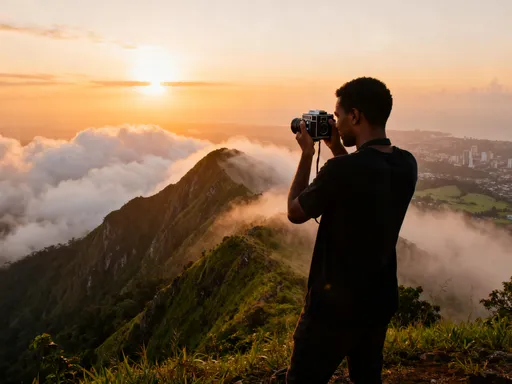
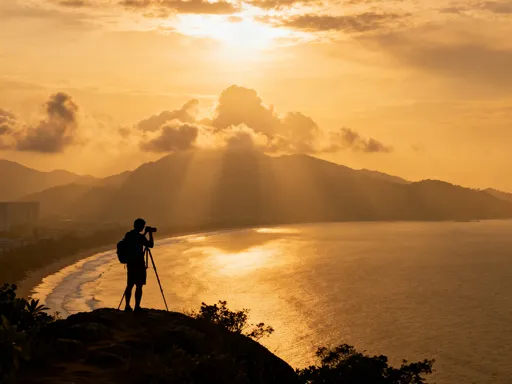
Rising gently from the shoreline, Khao Takiap—often called Monkey Mountain—is one of Hua Hin’s most iconic natural landmarks, and for good reason. More than just a scenic overlook, it is a living intersection of nature, culture, and spirituality. The short climb to the summit, winding through shaded paths and past weathered stone steps, is both accessible and rewarding. At the top, a panoramic vista unfolds: the Gulf of Thailand stretches to the horizon, its waters shifting from deep blue to shimmering silver depending on the time of day. It’s a view that invites stillness, reflection, and, of course, the quiet click of a camera capturing something timeless.
What sets Khao Takiap apart from other viewpoints is its dynamic energy. Monkeys—long-tailed macaques—move freely through the trees and temple grounds, their presence adding an element of unpredictability to every photograph. A child laughing as a monkey leaps overhead, a monk walking calmly past a curious primate, or a sudden burst of movement across a sunlit wall—these are the candid moments that give a destination its soul. Photographers should come prepared with a fast shutter speed and a respectful distance, as these animals are wild and should not be fed or approached too closely.
At the heart of the hilltop sits Wat Khao Takiap, a modest but vibrant temple adorned with colorful murals and golden spires. The temple is active, with monks performing daily rituals and locals coming to pray. This spiritual atmosphere adds depth to the visual experience. The contrast between the natural wildness of the jungle and the ordered tranquility of the temple creates a compelling narrative for any photo series. Early morning visits are ideal, when the air is cool, the light is soft, and the first chants rise with the mist.
For women who appreciate both beauty and meaning, Khao Takiap offers a rare opportunity: to photograph not just landscapes, but moments of daily life infused with reverence. The temple’s prayer flags flutter in the breeze, incense curls from offering trays, and the sea glimmers below like a promise. It’s a place where faith and nature coexist, and where a single image can carry layers of emotion. Whether capturing the silhouette of a monk against the sunrise or the quiet intensity of a local devotee’s prayer, the lens becomes a witness to something greater.
Pranburi Forest Park: A Hidden Green Sanctuary
Just a short drive south of Hua Hin lies Pranburi Forest Park, a protected coastal reserve that feels worlds away from the tourist bustle. This sanctuary, where mangrove forests meet sandy shores, is a haven for those who seek quiet, complexity, and natural detail. Boardwalks meander through dense thickets of propeller-shaped roots and tangled vines, offering safe passage while preserving the delicate ecosystem. It’s a place where every step reveals something new: a mudskipper darting between roots, a kingfisher perched on a low branch, or the intricate geometry of a spiderweb glistening with morning dew.
For photographers, Pranburi is a masterclass in subtlety. The light here is diffused and gentle, especially in the early hours, when mist hangs low over the water and the forest hums with insect life. This soft illumination is perfect for macro photography—capturing the veins of a leaf, the iridescence of a beetle’s wing, or the texture of bark etched by time. A tripod and a macro lens can transform the ordinary into the extraordinary, revealing a world that is easy to overlook but impossible to forget once seen.
The park’s tidal influence adds another layer of visual interest. At low tide, the mudflats emerge, rich with tracks and patterns left by crabs and birds. These natural imprints create abstract compositions—lines, curves, textures—that speak to the rhythm of the earth. At high tide, the water floods the roots, turning the forest into a mirror world where sky and land blur. Long-exposure shots during these transitions can produce dreamlike images, with flowing water smoothing the surface into glass.
But beyond the technical possibilities, Pranburi offers a deeper gift: stillness. In a world that rarely slows down, this forest invites you to pause, to breathe, to listen. For women who carry the weight of daily responsibilities—managing households, raising children, balancing work and family—this kind of silence is not just rare, it’s healing. Walking the boardwalk alone, camera in hand, one can feel the mind unclench, the heart open. The photographs taken here are not just of nature, but of a moment of peace reclaimed.
The Magic of Hua Hin Hills Vineyard at Sunrise
When most people think of Hua Hin, wine may not be the first thing that comes to mind—but Hua Hin Hills Vineyard changes that perception in the most beautiful way. Nestled in the rolling foothills, this working vineyard is not only a producer of award-winning Thai wines but also one of the most visually striking landscapes in the region. Yet, its true magic unfolds before most visitors arrive: at sunrise, when the hills are cloaked in mist and the first light spills over the ridges like liquid gold.
The vineyard’s rows of grapevines, carefully cultivated on terraced slopes, stretch into the distance like ripples on a green sea. When shot with a wide-angle lens, these patterns create a sense of rhythm and harmony, drawing the eye deep into the frame. The contrast between the structured agriculture and the wild jungle in the background is subtle but powerful—order meeting wilderness, human effort blending with natural abundance. It’s a metaphor many women can relate to: the balance between planning and surrender, between tending to what we grow and trusting the seasons.
Photographers should arrive well before dawn to secure a good vantage point and allow time for the scene to develop. As the sun rises, the mist begins to lift, revealing layers of hills and valleys in soft focus. A polarizing filter can enhance the contrast between sky and land, while a tripod ensures sharp detail in low light. Shooting in RAW format allows for greater flexibility in post-processing, especially when dealing with the high dynamic range of a sunrise scene.
But beyond the technical considerations, there’s an emotional resonance to this place at dawn. The air is crisp, the world is quiet, and there’s a sense of possibility in the light. For women who rise early to care for others, to prepare meals, to plan the day—this moment of solitude, of beauty witnessed alone, can feel like a gift. The vineyard does not demand attention; it offers it gently, like a cup of tea shared in silence. The photographs taken here are not just of a place, but of a feeling: hope, renewal, the quiet joy of beginning anew.
Cha-Am Beach and the Art of Coastal Light
Just north of Hua Hin, the long stretch of Cha-Am Beach often flies under the radar—but for photographers, it’s a hidden treasure. Unlike the more developed shores of Hua Hin town, Cha-Am offers a flatter, wider expanse of sand that becomes a natural canvas at certain times of day. At low tide, when the water recedes, the wet sand forms a vast mirror, reflecting the sky with startling clarity. Clouds, sunsets, even the silhouette of a distant palm tree—all are doubled, creating symmetrical compositions that are both simple and profound.
The key to capturing Cha-Am’s beauty lies in timing. An hour before sunset, the light turns warm and golden, casting long shadows and highlighting the texture of the sand. Dunes, footprints, and the patterns left by receding waves become sculptural elements in the frame. Fishermen hauling nets, children flying kites, or couples walking hand in hand add human scale and emotion to wide-angle shots. These moments are not staged; they unfold naturally, offering authenticity that enhances the visual narrative.
Because Cha-Am is less frequented by tourists, it’s easier to find solitude, even on weekends. This sense of space allows for more deliberate composition—no need to crop out unwanted distractions. A telephoto lens can isolate distant figures against the sky, while a wide-angle can capture the full sweep of the horizon. The beach’s openness also makes it ideal for long-exposure photography, especially at twilight, when the sky transitions from orange to deep indigo.
For women who appreciate both beauty and simplicity, Cha-Am offers a reminder that joy can be found in the quiet moments. There’s no need for grand gestures or elaborate plans—just the sea, the light, and the stillness. Photographing this beach is not about capturing perfection, but about honoring presence. Each image becomes a quiet affirmation: I was here. I saw this. I felt peace.
Namtok Huai Yang National Park: Waterfalls Deep in the Wild
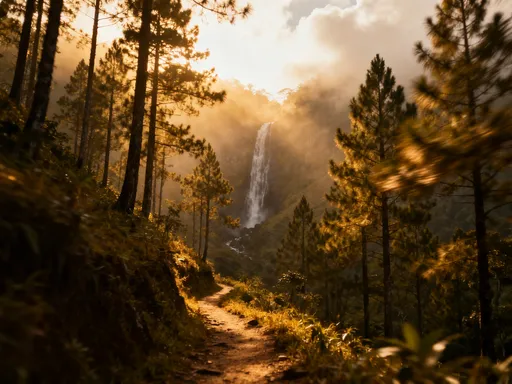
For those willing to venture further inland, Namtok Huai Yang National Park offers one of Hua Hin’s most rewarding natural experiences. Tucked deep within a humid jungle, this two-tiered waterfall cascades over moss-covered rocks, sending up a fine mist that cools the air and softens the light. The journey to the falls is part of the experience—a moderate trek through dense forest, where vines hang like curtains and ferns unfurl like green scrolls. The sound of rushing water grows louder with each step, building anticipation like the rising tension in a story.
Upon arrival, the waterfall reveals itself in layers. The upper tier plunges with force, while the lower pool spreads into a tranquil basin, perfect for reflection shots. The surrounding foliage—lush, vibrant, almost impossibly green—creates a frame within a frame. A polarizing filter is essential here, not only to reduce glare on wet surfaces but also to deepen the saturation of greens and blues, making the scene feel even more alive.
Because the park sees fewer visitors, especially on weekdays, photographers can often enjoy the falls in near solitude. This quiet allows for careful composition—adjusting angles, waiting for the perfect light, or experimenting with shutter speed to capture the silky flow of water. A tripod is recommended, as the shaded environment requires longer exposures. Early morning visits offer the best conditions: cooler temperatures, softer light, and the chance to catch mist rising from the pool like breath from the earth.
For women who seek both adventure and serenity, Namtok Huai Yang represents a balance. The hike requires effort, but the reward is profound—a place where nature feels untouched, powerful, and deeply calming. The photographs taken here are not just of a waterfall, but of a moment of achievement, of connection, of standing in awe. It’s a reminder that the most beautiful things often lie beyond the easy path.
Chasing the Light: Practical Tips for Landscape Photography in Hua Hin
Capturing Hua Hin’s beauty requires more than a good camera—it demands preparation, patience, and respect. The region’s tropical climate means high humidity, sudden rain showers, and intense midday sun, all of which can affect both gear and image quality. A sturdy tripod is essential for early morning or dusk shots, especially when using slow shutter speeds for water or mist. Lens wipes should be carried at all times; condensation and salt spray can fog lenses quickly, especially near the coast.
The best time to visit is during the cool, dry season, from November to February, when skies are clearer and temperatures are more comfortable. These months offer optimal lighting conditions—soft mornings, golden sunsets, and minimal haze. While drones can provide stunning aerial perspectives, their use must comply with local regulations; always check permitted zones and avoid restricted areas like temples or national parks unless explicitly allowed.
Shooting in RAW format is highly recommended, as it preserves the full range of light and color, allowing for greater control during editing. Hua Hin’s landscapes often feature high contrast—bright skies against dark forests, or sunlit sand next to deep shadows—and RAW files retain detail in both highlights and shadows that JPEGs might lose.
Equally important is respect for the environment and local culture. When photographing near temples or in villages, dress modestly and ask permission when photographing people. In protected areas like Pranburi Forest Park or Namtok Huai Yang, stay on marked trails and avoid disturbing wildlife. These places are not just backdrops; they are living ecosystems and sacred spaces. The best photographs are not taken at the expense of the subject, but in harmony with it.
Ultimately, the most powerful tool a photographer can bring to Hua Hin is not a lens, but a mindset—one of presence, curiosity, and humility. The landscapes here do not perform; they simply exist, in their full, quiet majesty. To capture them well is to slow down, to listen, to let the light guide you. For women who seek beauty, meaning, and renewal, Hua Hin offers not just images, but moments of connection—between self and nature, between stillness and wonder, between the seen and the felt. In the end, the best photographs are not the ones that win awards, but the ones that remind us how to see the world—and ourselves—more clearly.