You Won’t Believe These Secret Viewpoints in Bariloche
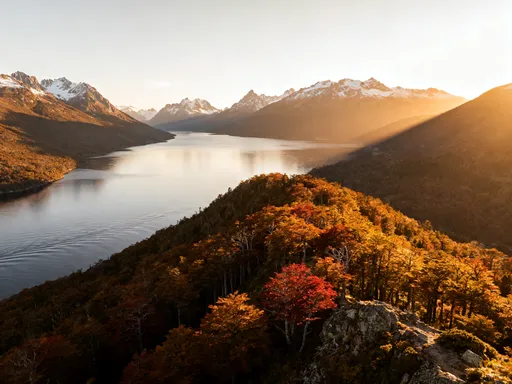
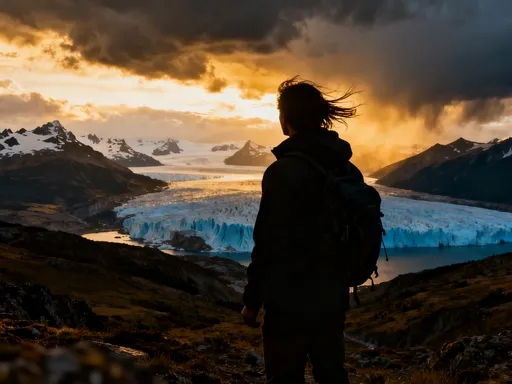
Nestled in Argentina’s Lake District, Bariloche is more than just chocolate and alpine charm—it’s a paradise for breathtaking viewpoints. I went searching for the most stunning panoramas, and what I found blew my expectations. From serene lake vistas to mountain peaks that feel like the edge of the world, each spot offered a new perspective. You gotta see these places to believe them. With every turn along forest trails, quiet roads, and high-altitude lookouts, the landscape unfolds in layers—deep blue lakes, snow-dusted summits, and evergreen forests stretching beyond sight. These are not just scenic stops; they are moments that linger in memory, shaping how we see nature and ourselves within it.
Arrival in Bariloche – First Impressions That Surprise
Stepping off the bus or car into Bariloche feels like entering a postcard from another continent. The town, nestled on the southern shores of Nahuel Huapi Lake, greets visitors with its distinctive alpine architecture—stone-and-timber buildings with steep roofs designed to shed heavy winter snow. Chimneys puff thin trails of smoke, even in milder months, lending the air a cozy, woodsy scent. The crisp mountain breeze carries whispers of pine and cold water, a sensory prelude to the natural wonders beyond the town center.
Most travelers arrive with chocolate shops and ski slopes in mind, and while Bariloche delivers on both, its true magic lies in elevation and vantage. What surprises many is how quickly the urban landscape gives way to wild beauty. Within minutes of leaving downtown, roads curve alongside glassy inlets, and mountain flanks rise like silent guardians. It’s here that the importance of viewpoints becomes clear—not as mere photo ops, but as portals to deeper connection. Standing at a high point, one feels the vastness of the Andes, the stillness of ancient forests, and the rhythm of nature that operates beyond daily routines.
Viewpoints offer more than visual reward; they provide perspective. In a world often dominated by screens and schedules, these elevated moments invite stillness and reflection. For families, couples, or solo travelers, a shared vista can become a collective memory. For others, it’s a private moment of awe. Bariloche, with its layered topography and diverse access points, offers both grandeur and intimacy. The town’s location at the heart of a national park means that almost every direction leads to a new overlook, each with its own character and story.
What sets Bariloche apart from other mountain destinations is not just the scenery, but the ease with which one can access it. Unlike remote wilderness areas requiring days of trekking, here, panoramic rewards are often just a short drive, cable car ride, or moderate hike away. Yet, despite this accessibility, many of the best spots remain under the radar, known more to locals and seasoned hikers than to casual tourists. This balance of availability and authenticity makes Bariloche a rare gem in modern travel—a place where wonder is both attainable and profound.
Cerro Campanario – The Classic Vista Done Right
Rising 1,058 meters above sea level, Cerro Campanario stands as one of Bariloche’s most iconic viewpoints—and for good reason. Its summit delivers a sweeping panorama of Nahuel Huapi Lake, dotted with forested islands and framed by distant Andean peaks. The journey to the top begins with a funicular ride, a charming red railway car that climbs the steep slope with steady grace. This blend of convenience and natural beauty makes Cerro Campanario ideal for travelers of all ages and activity levels.
The funicular operates year-round, though hours may vary by season. Early morning is often the best time to visit, when the lake lies still and mist curls above the water like breath. At sunrise, the first light gilds the peaks of Cerro Tronador and paints the sky in soft pinks and golds. Midday offers clearer visibility, especially in summer, when the air is dry and the sky a deep, cloudless blue. Regardless of timing, the view from the top is consistently breathtaking—stretching from Victoria Island in the north to the rugged spine of the Andes to the west.
At the summit, a circular walkway allows 360-degree viewing. Informational plaques identify key landmarks, helping visitors orient themselves within the vast landscape. On clear days, it’s possible to see across the border into Chile, where the Andes continue their endless march. The presence of a small café and gift shop adds comfort without detracting from the natural setting. Unlike some overcrowded tourist peaks, Cerro Campanario manages to feel spacious, even during peak season.
For families, the funicular ride itself is part of the adventure, especially for children who delight in the gentle ascent and the view unfolding below. The short walk from the station to the viewing platform is wheelchair-accessible, making this one of the most inclusive high-elevation experiences in the region. While it may not offer the solitude of more remote trails, Cerro Campanario excels in delivering reliable, awe-inspiring beauty with minimal physical demand. It’s a perfect introduction to Bariloche’s landscape—a first chapter in a larger story of discovery.
Cerro Otto – Panoramic Thrills with a Glass Floor
If Cerro Campanario is the classic postcard view, Cerro Otto is the modern marvel. Located just 13 kilometers from downtown Bariloche, this mountain peak has been transformed into a state-of-the-art observation destination. The centerpiece is a panoramic tower with a glass-bottomed observation deck—a feature that adds a thrilling dimension to the already stunning views. The cable car ride to the top is an experience in itself, gliding smoothly over treetops and offering glimpses of the lake far below.
The tower, completed in the early 2000s, was designed to blend with the environment while maximizing visibility. From the enclosed deck, visitors enjoy uninterrupted 360-degree views of Nahuel Huapi Lake, the Llao Llao Peninsula, and the surrounding national park. On exceptionally clear days, the snow-capped peak of Cerro Tronador—over 3,000 meters high—can be seen in the distance. The glass floor section, while not mandatory, invites the brave to look straight down to the forest floor hundreds of meters below, creating a moment of exhilarating vertigo.
What makes Cerro Otto especially appealing is its balance of comfort and adventure. The summit houses a fine-dining restaurant, a café, and a gift shop, allowing visitors to linger over lunch while surrounded by nature. The restaurant specializes in Patagonian cuisine—think grilled lamb, wild mushrooms, and local cheeses—paired with Argentine wines. Large windows ensure that even while dining, the landscape remains the main attraction.
Light plays a crucial role in the Cerro Otto experience. At midday, the sun reflects off the lake, creating a shimmering mosaic. In the late afternoon, shadows lengthen across the valleys, and the colors deepen. Sunset here is less dramatic than in desert regions, but no less moving—a gradual dimming that softens the contours of the land. For photographers, the changing light offers endless opportunities. For others, it’s a chance to slow down and absorb the scale of the world below.
While Cerro Otto attracts a steady stream of visitors, especially in summer and winter ski season, the site is well-managed, with timed entries and efficient service. It’s particularly popular with families and those with limited mobility, as the cable car and elevator make the summit easily accessible. It’s also a favorite among couples seeking a romantic setting. Though some purists may prefer raw, undeveloped viewpoints, Cerro Otto proves that thoughtful infrastructure can enhance, rather than diminish, the experience of nature.
Refugio Frey – A Hiker’s Hidden Gem
For those willing to trade convenience for solitude, the trek to Refugio Frey is one of Bariloche’s most rewarding adventures. Located in the northern reaches of Nahuel Huapi National Park, this mountain refuge sits at the base of dramatic granite spires, surrounded by alpine lakes and windswept ridges. The journey begins at the base of Cerro Catedral, a popular ski resort, but quickly leaves behind the crowds as the trail climbs into lenga forest—a dense, dark woodland of southern beech trees that thrive in the cool, wet climate.
The hike to Refugio Frey is moderately strenuous, covering about 11 kilometers round trip with an elevation gain of nearly 600 meters. Most hikers complete it in 5 to 6 hours, depending on pace and weather. The path is well-marked but rugged in places, with roots, rocks, and occasional snow patches even in summer. Proper hiking boots, layered clothing, and a reliable backpack are essential. Carrying extra food, water, and a basic first-aid kit is strongly advised, as there are no facilities along the way.
What makes this trek special is the sense of progression. The first section winds through forest, where sunlight filters through the canopy in dappled patterns. Then, as the trees thin, the trail opens to meadows dotted with wildflowers in spring and summer. Finally, the refuge appears—a small wooden structure perched beside a glacial lake, its reflection perfectly mirrored in the still water. Behind it, the jagged peaks of the Frey Towers rise like cathedral spires, their namesake drawn from Swiss alpinist Emilio Frey, who explored the area in the early 20th century.
Refugio Frey itself is maintained by the Argentine Alpine Club and offers basic overnight accommodations—bunk beds, a communal kitchen, and a wood stove for heating. Reservations are recommended, especially in peak season. For day hikers, the area around the refuge offers multiple short trails leading to even higher viewpoints, including one that overlooks Lake Gutiérrez. The silence here is profound—broken only by wind, water, and the occasional call of an Andean condor overhead.
This is not a viewpoint for the faint of heart, but for those who make the effort, the reward is unparalleled. Unlike the developed summits of Cerro Campanario or Cerro Otto, Refugio Frey feels untouched, a place where nature remains in control. It’s a reminder that some of the most powerful experiences come not from ease, but from effort—that the views we earn stay with us longer than those we simply ride to.
Llao Llao Peninsula – Elegance Meets Nature
Driving along the road to the Llao Llao Hotel, one enters a world of refined beauty. The peninsula juts into Nahuel Huapi Lake, its gentle slopes covered in native forest and manicured gardens. While the hotel itself is a landmark of Patagonian luxury, the real treasure lies in the multiple viewpoints along the access road. These are not dramatic cliff edges or high-altitude summits, but quiet spots where the lake, islands, and mountains come together in perfect harmony.
Several pull-offs allow drivers to stop and take in the view. One of the most popular is near the entrance to the hotel, where a wide shoulder offers space for cars and small tour buses. From here, the vista includes the entire bay, with Victoria Island in the foreground and the snow-dusted peaks of the Andes in the distance. The scene shifts with the seasons—emerald green in summer, golden and crimson in autumn, and hushed under snow in winter. Each variation offers a new reason to pause.
Photographers favor this area for its balanced composition. The lake acts as a natural mirror, doubling the beauty of the sky and mountains. Early morning light is especially effective, casting soft shadows and reducing glare. Unlike more remote locations, Llao Llao is accessible year-round, even in winter, when roads are regularly cleared. This makes it a reliable choice for families, older travelers, or anyone seeking beauty without physical strain.
The elegance of the setting invites a slower pace. Visitors often bring a thermos of mate or coffee, sitting on a rock or bench to simply watch the water. There’s no rush here, no need to check off a list. The experience is about presence—about allowing the landscape to unfold at its own rhythm. For those staying at the hotel, the spa and golf course offer additional ways to enjoy the surroundings, but even a brief stop is enough to feel the area’s calming influence.
What makes Llao Llao unique is its blend of natural and human-made beauty. The gardens are carefully designed to complement, not compete with, the wild landscape. Stone pathways, wooden railings, and discreet signage blend into the environment. It’s a model of how tourism can coexist with conservation—offering access without exploitation. In a world where many scenic spots suffer from overcrowding, Llao Llao remains a testament to thoughtful stewardship.
Circuito Chico – Scenic Drives with Frequent Stops
For travelers who prefer to explore at ground level, the Circuito Chico offers one of the most scenic drives in Patagonia. This 35-kilometer loop begins and ends near Bariloche, circling through the heart of the national park. Along the way, it connects several natural viewpoints, each offering a different angle on the region’s beauty. The road is paved and well-maintained, suitable for standard vehicles, and takes about two hours to complete without stops—though few can resist pausing again and again.
The first major stop is Cerro León, a short uphill walk from the parking area. The viewpoint here overlooks Lake Moreno and the distant peaks of the Andes. On clear days, the reflection of the mountains in the lake creates a dreamlike effect. A wooden platform provides a safe, stable place to stand, and informational signs help identify key landmarks. It’s a popular spot for families and casual visitors, offering a rewarding view with minimal effort.
Further along the route, Bahía López opens to a broad curve of shoreline, where the forest meets the water in a tangle of roots and rocks. This is an excellent place to stretch your legs, listen to the waves, or spot waterfowl along the shore. The bay is also a favored launching point for kayakers, who paddle quietly among the coves and inlets. In spring and summer, wildflowers bloom along the roadside, adding splashes of color to the green landscape.
Another highlight is the Mirador de los Arrayanes, located near the famous Arrayanes Forest. This grove of rare, cinnamon-colored lenga trees grows on a narrow peninsula and is accessible by a short trail. The viewpoint offers a wide-angle view of the forest and the lake beyond. The trees, with their smooth, orange bark, are unlike anything found elsewhere in the region, creating a surreal, almost otherworldly atmosphere. Guided tours are available, but the view from the overlook is free and equally impressive.
The Circuito Chico is ideal for those with limited time or energy. It allows travelers to experience multiple landscapes—forest, lake, mountain—in a single outing. It’s also flexible; you can complete the loop quickly or spend an entire day stopping, walking, and photographing. For families with children, it offers a safe, engaging way to connect with nature. And for photographers, each bend in the road presents a new composition. More than just a drive, it’s a curated journey through Bariloche’s most iconic scenery.
Sunset at Playa Bonita – Simplicity at Its Finest
Sometimes the most powerful moments come from the simplest places. Playa Bonita, a quiet stretch of sand just a few kilometers from downtown Bariloche, offers one such moment. Unlike the dramatic heights of mountain lookouts, this beach provides a ground-level connection to the lake. There are no signs, no facilities, no crowds—just a small cove where the water laps gently against the shore.
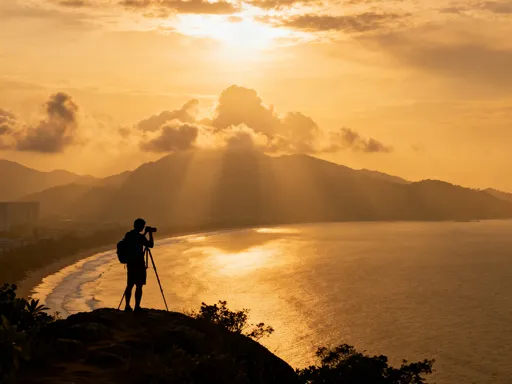
At sunset, the scene transforms. The sky fills with color—soft oranges, deep purples, and streaks of gold—reflected perfectly in the calm water. The surrounding hills darken into silhouettes, and the first stars begin to appear. Locals and a few discerning visitors gather on the rocks or sit on blankets, speaking in hushed tones or saying nothing at all. It’s a communal quiet, a shared recognition of beauty that needs no commentary.
What makes Playa Bonita special is its accessibility and authenticity. You don’t need a car, a guide, or special gear. A 20-minute walk from the city center brings you to this peaceful spot. It’s open to everyone, free of charge, and unspoiled by commercialization. In an age where many scenic destinations are overdeveloped or ticketed, Playa Bonita remains a rare gift—a place where nature is still freely given.
For families, it’s a perfect evening outing. Children can play in the shallow water while adults relax and watch the sky. For solo travelers, it’s a chance to reflect, to breathe, to remember why they came. There’s no pressure to capture the perfect photo or reach a summit—just the invitation to be present. In this way, Playa Bonita embodies a deeper truth about travel: that the best experiences are often unplanned, unadvertised, and deeply personal.
Why Viewpoints Shape the Soul of Travel
Great viewpoints do more than showcase beautiful landscapes—they shift our internal compass. In Bariloche, each vantage point offers not just a view, but a moment of recalibration. Whether standing atop a mountain, pausing by a quiet lake, or watching the sun dip below the horizon, we are reminded of our smallness in the face of nature’s grandeur, and yet, our deep connection to it.
These experiences are not passive. They invite reflection, gratitude, and a renewed sense of wonder. For many travelers, especially women balancing the demands of family, work, and daily life, such moments are essential. They offer a break from routine, a chance to breathe deeply and remember what matters. The stillness of a mountain summit, the rhythm of waves on a beach, the crisp air of a forest trail—these are not luxuries, but necessities for emotional well-being.
Bariloche, with its diversity of viewpoints, offers something for every kind of traveler. Whether you seek adventure, comfort, solitude, or shared joy, the landscape responds. And in returning home, one carries more than photos or souvenirs—one carries a changed perspective. The world seems a little wider, a little more beautiful, and a little more worth protecting.
So go find your viewpoint. Let the wind brush your face, let the silence fill your ears, let the horizon stretch your imagination. In Bariloche, and beyond, the best journeys are not just across maps, but within the soul.