You Won’t Believe These Cultural Gems in Maastricht
Maastricht isn’t just another pretty European city—it’s a cultural playground hiding in plain sight. I wandered its cobbled streets with zero expectations and left completely stunned. From centuries-old churches turned performance halls to underground caves pulsing with art, this place redefines what a cultural experience can be. If you’re looking for authenticity, creativity, and a side of Dutch charm, Maastricht delivers—no filter needed. The city doesn’t shout about its treasures; it lets them unfold naturally, one quiet square, one hidden gallery, one echoing cathedral note at a time. Here, culture isn’t staged for tourists—it lives in the rhythm of daily life, waiting to be discovered by those willing to look beyond the surface.
First Impressions: A City That Feels Like a Living Museum
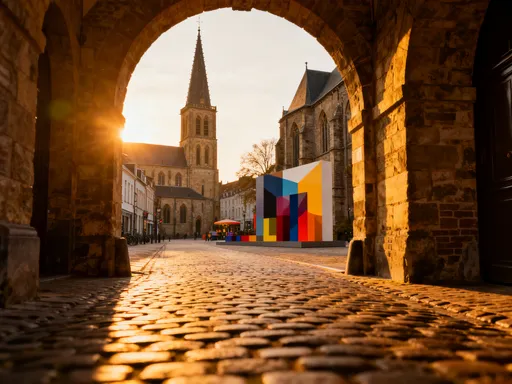
Arriving in Maastricht feels like stepping into a carefully preserved moment where history and modernity coexist without conflict. The city greets visitors with a harmonious blend of medieval facades, sun-dappled plazas, and contemporary cafes tucked into centuries-old buildings. Unlike some European destinations that feel frozen in time or overly commercialized, Maastricht maintains a gentle authenticity. Locals cycle past Roman ruins on their way to work, students sip coffee beneath Gothic arches, and flower boxes bloom from stone windowsills as if centuries have changed nothing—and everything. This balance gives the city a lived-in elegance, where every corner tells a story without demanding attention.
What makes Maastricht particularly inviting is how effortlessly it guides exploration. Its compact center is pedestrian-friendly, with winding streets that naturally lead from one landmark to the next. There’s no need for a rigid itinerary; the city unfolds like a well-structured novel, each chapter revealing a new layer. The Meuse River curves around the old town like a protective arm, framing views of red-tiled rooftops and church spires. Bridges connect historic districts, inviting leisurely strolls that often end in unexpected discoveries—a tucked-away courtyard, a street musician beneath an arched gateway, or the scent of fresh stroopwafels drifting from a corner bakery.
At the heart of this cultural web lies Vrijthof Square, a vibrant epicenter that has served as a marketplace, pilgrimage site, and social hub for over a thousand years. Today, it remains the city’s living room, where locals gather for festivals, open-air concerts, and weekend markets. Flanked by the imposing Basilica of Saint Servatius and the strikingly modern Theater Vrijthof, the square embodies Maastricht’s ability to honor its past while embracing the present. Whether bathed in morning light or illuminated by evening lanterns, Vrijthof radiates a warmth that draws people in, making it the perfect starting point for any cultural journey.
Bonnefanten Museum: Where Old Masters Meet Avant-Garde
Rising like a medieval castle reimagined through a modern lens, the Bonnefanten Museum stands proudly on the banks of the Meuse River. Its distinctive pink sandstone tower and sleek glass façade create a striking contrast, symbolizing the museum’s unique mission: to bridge centuries of artistic expression. Inside, visitors encounter a thoughtfully curated collection that moves seamlessly from 14th-century religious altarpieces to bold, experimental installations by contemporary artists. This duality isn’t jarring—it’s intentional, inviting reflection on how art evolves while remaining rooted in human experience.
The museum’s permanent collection includes masterworks from the Late Medieval and Renaissance periods, many of which were originally created for churches in the region. Delicate triptychs, illuminated manuscripts, and devotional sculptures speak to a time when art served both spiritual and communal functions. These pieces are displayed with reverence, allowing their craftsmanship and emotional depth to shine. Equally compelling is the modern wing, home to works by artists such as Jan Fabre, Marlene Dumas, and Ai Weiwei. Here, video art, conceptual pieces, and immersive environments challenge perceptions and spark dialogue, proving that Maastricht’s cultural appetite extends far beyond tradition.
One of the most memorable experiences is encountering these contrasting styles in close proximity. A quiet, gold-leafed Madonna might hang just steps from a room filled with pulsating light and sound, yet the transition feels natural rather than disruptive. The museum doesn’t force connections—it allows visitors to draw their own. Temporary exhibitions often explore themes that span time and geography, such as the intersection of science and art or the role of memory in creative expression. These rotating shows ensure that even repeat visitors find something new to engage with.
For those planning a visit, early afternoon on a weekday is ideal—crowds are lighter, and natural light floods the galleries. Tickets can be purchased online to avoid queues, and audio guides are available in multiple languages, offering insightful commentary without overwhelming the experience. Families will appreciate the interactive children’s corner, while art lovers should not miss the rooftop terrace, which offers panoramic views of the city and river. The on-site café, with its seasonal menu and outdoor seating, makes for a perfect post-exhibition break. Whether you’re drawn to the sacred serenity of old masters or the provocative energy of modern art, the Bonnefanten Museum offers a rich, balanced encounter with creativity across time.
The Church of Saint Servatius: More Than Just a Historic Landmark
Dominating the skyline near Vrijthof Square, the Basilica of Saint Servatius is one of Maastricht’s most iconic structures. Its Romanesque and Gothic architecture, developed over centuries, reflects the city’s deep religious roots and artistic evolution. The westwork, with its twin towers and ornate stonework, stands as a masterpiece of medieval engineering, while the interior reveals a labyrinth of chapels, crypts, and sacred relics. But Saint Servatius is not merely a monument to the past—it is a living space where history resonates through music, light, and community.
What sets this church apart is its active role in Maastricht’s cultural life. Far from being a silent relic, it hosts regular concerts, particularly organ recitals that send waves of sound reverberating through the vast nave. On one visit, I stood near the back as a midday performance began—the first notes of Bach’s Toccata and Fugue in D minor filled the space, echoing off stone walls and vaulted ceilings. The acoustics were extraordinary, transforming the music into something almost physical, a force that seemed to lift the soul. Moments like these remind visitors that sacred spaces can also be deeply artistic ones, where silence and sound coexist in harmony.
The church also plays host to temporary art exhibitions, often integrating modern works into its historic setting. A recent installation featured illuminated glass sculptures suspended above the central aisle, their soft glow contrasting with the dim candlelight of surrounding altars. These creative interventions do not diminish the church’s sanctity; rather, they enhance its ability to inspire wonder. Pilgrims still visit the crypt to view the relics of Saint Servatius, believed to be the first bishop of Maastricht, while art lovers come to experience the interplay of old and new. This dual identity—spiritual sanctuary and cultural venue—makes the basilica a unique destination.
Visitors are welcome to explore the church during designated hours, with respectful attire and quiet behavior expected. Guided tours offer deeper insight into its architecture, symbolism, and historical significance. The Treasury, located adjacent to the church, houses a remarkable collection of liturgical objects, including chalices, vestments, and medieval manuscripts. For those interested in genealogy or local history, the church archives contain records dating back to the 16th century. Whether attending a concert, viewing an exhibition, or simply sitting in quiet reflection, a visit to Saint Servatius offers a profound sense of connection—to the past, to art, and to the enduring human search for meaning.
Théâtre Vrijthof: Culture with a Side of Nightlife
Adjacent to the bustling Vrijthof Square, the Théâtre Vrijthof stands as a testament to Maastricht’s vibrant performing arts scene. Housed in a sleek, modern building that contrasts beautifully with its historic surroundings, the theater offers a diverse program throughout the year. From classical concerts and jazz ensembles to comedy nights and international dance troupes, its calendar reflects a city that values both tradition and innovation. What makes the experience special is the ease with which culture blends into evening life—attending a show here often feels like joining a shared celebration rather than observing a formal event.
One of the theater’s highlights is its role in the International Theatre Festival, a biennial event that transforms Maastricht into a stage for global performance art. During this period, the city buzzes with energy as artists from Europe, Asia, and the Americas present experimental works in unconventional spaces—abandoned warehouses, public parks, even moving trams. The festival encourages interaction, with many performances breaking the fourth wall and inviting audience participation. It’s not uncommon to see families, couples, and solo travelers alike laughing, clapping, and discussing the shows over drinks at nearby terraces, creating a true sense of community.
The theater itself is designed for comfort and intimacy, with excellent acoustics and unobstructed sightlines from every seat. Staff are welcoming and multilingual, often providing program notes in English for international guests. Ticket prices are reasonable, especially for early-bird purchases, and combo deals are available for those attending multiple performances. For a complete evening experience, many visitors choose to dine at one of the restaurants lining Vrijthof—options range from cozy Dutch brasseries serving stamppot and bitterballen to elegant wine bars offering regional pairings. Reservations are recommended during festival seasons, but even a spontaneous visit can yield delightful discoveries.
What sets Théâtre Vrijthof apart is its accessibility. Unlike grand opera houses that can feel intimidating, this venue maintains a relaxed, inclusive atmosphere. Children are welcome at family-friendly shows, and late-night performances often include post-event discussions with the artists. The theater also collaborates with local schools and cultural organizations, offering workshops and outreach programs that deepen community engagement. Whether you’re a seasoned theatergoer or a curious newcomer, a night at Théâtre Vrijthof feels less like attending a performance and more like becoming part of Maastricht’s cultural rhythm.
Caves of Mount Saint Peter: Underground Culture You Can’t Plan For
Beneath the rolling hills of Mount Saint Peter, just south of Maastricht’s center, lies a network of limestone caves carved over centuries by quarry workers. These tunnels, once used to extract building materials for the city’s churches and homes, now serve a surprising new purpose: as immersive spaces for art and sound. Descending into the cool, dimly lit passages feels like entering another world—one where nature and creativity converge in unexpected ways. The air is still, the walls rough and ancient, yet flashes of color and distant music signal that something extraordinary is unfolding within.
Since the 1970s, artists and curators have transformed sections of the caves into exhibition spaces for light installations, soundscapes, and multimedia performances. One memorable piece featured a series of LED projections that mimicked the slow movement of underground water, shifting colors from deep blue to emerald green as visitors walked deeper into the tunnels. Another used directional speakers to create an audio journey—whispers, footsteps, and choral fragments seemed to come from just beyond sight, playing with perception and imagination. These works don’t overpower the space; they enhance its mystery, turning the caves into a canvas for sensory exploration.
The experience is intentionally disorienting in the best way. Without natural light or familiar reference points, visitors rely more on sound, touch, and intuition. Some installations invite interaction—stepping on pressure-sensitive tiles that trigger music, or speaking into microphones that alter the ambient soundscape. Children giggle as their voices echo and transform, while adults pause, captivated by the subtle beauty of light refracting off damp stone. The caves don’t offer easy answers; instead, they encourage presence, curiosity, and a willingness to embrace the unknown.
Access to the cultural sections of the caves is typically through guided tours, which ensure safety and provide context for the artworks on display. Helmets and headlamps are provided, and paths are well-marked, though sturdy footwear is recommended. Tours are available in multiple languages and often include a brief history of the quarrying industry and its role in shaping Maastricht’s architecture. After the underground experience, many visitors choose to hike the trails above ground, where panoramic views of the Meuse Valley offer a striking contrast to the enclosed world below. The combination of physical activity, natural beauty, and artistic discovery makes this one of Maastricht’s most unique cultural offerings—a reminder that inspiration can emerge from the most unexpected places.
Local Ateliers & Artist Studios: The Hidden Pulse of Maastricht’s Scene
Beyond the museums and theaters, Maastricht’s creative spirit thrives in its smaller, independent spaces. Tucked into converted warehouses, former schools, and quiet residential streets, local ateliers and artist studios offer an intimate glimpse into the city’s artistic soul. These spaces are often absent from tourist brochures, yet they represent the true pulse of Maastricht’s cultural life. Here, art is not polished for display—it is raw, evolving, and deeply personal. Painters, sculptors, ceramicists, and textile artists open their doors during special events, inviting the public to witness the creative process firsthand.
One of the best times to explore these hidden gems is during the annual Open Ateliers event, when dozens of artists across the city participate in a weekend-long exhibition. Neighborhoods like Wyck and Jekerkwartier come alive with foot traffic as locals and visitors wander from studio to studio, sipping coffee, asking questions, and sometimes even trying their hand at a pottery wheel or printmaking press. These interactions are unscripted and genuine, fostering connections between creators and audiences that are rare in more formal settings. A painter might explain the symbolism behind a recent series, or a jeweler could demonstrate how recycled metals are transformed into wearable art.
Many of these artists draw inspiration from Maastricht’s landscape and history—its rivers, limestone, and centuries of craftsmanship. Some incorporate traditional techniques into contemporary works, such as using age-old tile-making methods to create modern murals. Others respond to current themes like sustainability, identity, and memory, reflecting the concerns of our time through a deeply local lens. What unites them is a commitment to authenticity and experimentation, values that resonate throughout the city’s cultural fabric.
Finding these studios requires a bit of curiosity. Local event listings, community boards, and social media pages often announce open days and pop-up exhibitions. Some galleries, like those in the historic Helpoort area, regularly feature emerging talent alongside established names. Word of mouth also plays a role—chatting with shop owners or café staff might lead to an invitation to a private showing or an upcoming group exhibition. For travelers seeking a deeper connection to Maastricht, spending time in these intimate creative spaces offers a rewarding alternative to conventional sightseeing. It’s here, in the quiet hum of a working studio, that the city’s culture feels most alive and accessible.
Why Maastricht’s Cultural Venues Feel Different—And Why It Matters
Maastricht’s cultural offerings stand out not because they are grander or more famous than those in other European cities, but because they feel authentic, accessible, and deeply integrated into daily life. Unlike destinations where culture is packaged for mass consumption, Maastricht allows visitors to experience art as part of a living, breathing community. You don’t just observe a concert—you feel the vibrations of the organ in your chest. You don’t just view a painting—you meet the artist who made it. You don’t just walk through a museum—you descend into ancient caves where light dances on stone walls like living brushstrokes.
This sense of participation is what makes the city’s cultural scene so powerful. There’s no barrier between performer and audience, creator and observer, past and present. A church is not just a monument but a venue where music still echoes with spiritual resonance. A quarry is not just a relic of industry but a canvas for contemporary expression. This blending of functions—sacred and artistic, historical and innovative—creates a rich, layered experience that feels both timeless and refreshingly modern.
In an age where many cultural destinations risk becoming overcrowded and impersonal, Maastricht offers a different model. It proves that depth doesn’t require scale, and that intimacy can be more impactful than spectacle. The city doesn’t need to shout to be heard; its quiet confidence, rooted in centuries of tradition and openness to change, speaks volumes. For the thoughtful traveler—especially one who values meaning over metrics, connection over convenience—Maastricht is a revelation.
So if you’re planning your next journey, consider this: instead of chasing famous landmarks or ticking off bucket lists, allow yourself to wander with curiosity. Let a side street lead you to an open studio. Let the sound of an organ draw you into a centuries-old church. Let the cool air of an underground passage guide you toward an unexpected installation. In Maastricht, culture isn’t something you consume—it’s something you live. And in that living, you may just discover a deeper appreciation for how art, history, and humanity intertwine in the most ordinary—and extraordinary—of places.