You Gotta See These Hidden Wild Escapes Around Liège
Ever thought about finding peace just outside a bustling European city? I didn’t either—until I explored the protected green gems surrounding Liège, Belgium. What I discovered was mind-blowing: untouched forests, serene wetlands, and rolling hills, all within easy reach. This isn’t just a getaway—it’s a full-on nature reset. If you’re craving authenticity and quiet beauty, Liège’s natural sanctuaries are absolutely worth your time. Just a short journey from urban noise lies a world of whispering trees, crisp air, and landscapes shaped by centuries of natural balance. These areas aren’t only beautiful—they’re vital. And they’re waiting to be discovered by those who appreciate stillness, wonder, and the quiet strength of the wild.
Why Protected Areas Matter Near Cities
Urban life brings convenience and culture, but it also comes with constant stimulation, noise, and pollution. That’s why protected natural areas near cities like Liège are more than scenic escapes—they’re essential. These green zones act as ecological lungs, filtering air, regulating temperatures, and supporting biodiversity in ways that directly benefit nearby populations. The European Union has long recognized this value, promoting Natura 2000, a network of protected sites designed to conserve habitats and species across member states. Belgium is a committed participant, and the region around Liège hosts several of these designated areas that serve both wildlife and people.
For residents and visitors alike, access to nature within a short distance from the city center is a gift. Studies consistently show that spending time in natural environments reduces stress, improves mood, and enhances cognitive function. For a 30- to 55-year-old woman managing a household, a career, or both, even a few hours in a quiet forest or by a calm lake can be restorative. These protected spaces offer something increasingly rare: uninterrupted time to breathe, reflect, and reconnect with the rhythms of the natural world. They are not just parks or trails—they are sanctuaries for the body and mind.
Moreover, these areas play a crucial role in water purification and flood prevention. Wetlands and forests absorb excess rainfall, reducing the risk of urban flooding during heavy storms. The soils in these regions filter pollutants, ensuring cleaner groundwater. In a time of climate uncertainty, such natural infrastructure is invaluable. Protecting these lands isn’t just about saving trees or birds—it’s about safeguarding human well-being. The proximity of Liège to these zones means that conservation isn’t a distant ideal; it’s a daily opportunity. Every visit supports awareness, and every mindful step helps preserve these spaces for future generations.
Discovering the High Fens – A Unique Highland Experience
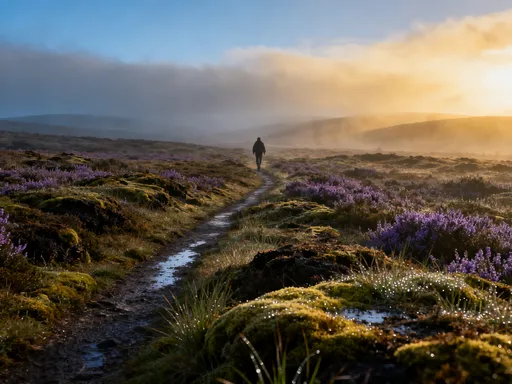
Just 30 minutes east of Liège lies one of Belgium’s most remarkable natural treasures: the High Fens, or Hautes Fagnes. This elevated plateau, stretching across the Ardennes, is the country’s largest nature reserve and one of its most ecologically significant. Unlike the lush green valleys people often associate with Belgium, the High Fens present a landscape that feels almost Nordic—open moorlands, deep bogs, and heather-covered plains shrouded in mist. It’s a place where silence is profound, and the wind carries the scent of damp moss and wild thyme.
The area is home to Europe’s largest high-altitude peat bog, a fragile ecosystem that has developed over thousands of years. These bogs store vast amounts of carbon, making them important allies in the fight against climate change. They also support rare plant species like sundews and bog asphodel, which thrive in the acidic, nutrient-poor soil. Birdwatchers may catch sight of the elusive black grouse or the curlew, whose haunting call echoes across the moors in spring. Red deer roam the edges of the reserve, often seen at dawn or dusk, moving like shadows through the fog.
Hiking here is both rewarding and demanding. The well-marked trails, such as the Sentier des Rochers or the circular route from Baraque Michel, offer access to panoramic viewpoints and secluded clearings. However, visitors must be prepared. The weather changes rapidly—sunlight can give way to cold rain within minutes, and temperatures remain low even in summer. Proper footwear, waterproof clothing, and a map are essential. The reserve’s fragility means that staying on marked paths is not just a suggestion; it’s a responsibility. Every footprint off-trail can damage the delicate peat layers that take centuries to form.
The High Fens also offer a unique seasonal rhythm. In late summer, the heather blooms in vibrant purple, transforming the landscape into a sea of color. Winter brings a different kind of beauty, with frost-covered grasses and frozen pools creating a monochrome wonderland. Even in spring, when the snow lingers at higher elevations, the first signs of life emerge in sheltered spots. For those seeking a sense of solitude and awe, the High Fens deliver. It’s not a place of convenience, but of deep connection—a reminder that nature operates on its own terms, and that’s precisely why it’s so valuable.
The Beauty of Vesdre Valley: Nature and Recovery
Flowing through the heart of the Liège region, the Vesdre River tells a story of resilience. Once heavily impacted by industrial activity, particularly in the 19th and 20th centuries, the valley has undergone a remarkable transformation. Today, it stands as a living example of ecological recovery and sustainable urban planning. Reforestation efforts, pollution controls, and riverbank restoration have revitalized the corridor, turning it into a green spine that connects towns, forests, and natural habitats. For anyone exploring the area, the Vesdre Valley offers both scenic beauty and a powerful message: nature can heal, even after decades of strain.
The valley is now crisscrossed with walking and cycling paths that follow the river’s gentle curves. The RAVeL network—a system of car-free routes built on old railway lines—runs through this area, making it accessible to families, casual walkers, and serious cyclists alike. Along the way, you’ll pass meadows buzzing with insects, stands of alder and willow, and quiet pools where kingfishers dart between branches. The sound of the water, always present, provides a calming backdrop. Benches and picnic areas are thoughtfully placed, inviting pauses to take in the view or enjoy a homemade sandwich in the shade.
What makes the Vesdre Valley especially meaningful is its role in ecological connectivity. It acts as a corridor, allowing animals and plants to move between larger forested areas. This movement is crucial for genetic diversity and long-term species survival. Conservationists have worked to remove barriers, improve water quality, and restore native vegetation. The results are visible: otters have returned, and dragonflies now thrive in the cleaner waters. For visitors, this means not just a pleasant stroll, but a chance to witness recovery in action.
The towns along the river, such as Verviers and Stavelot, have embraced this renewal. Local initiatives promote environmental education, clean-up events, and sustainable tourism. Visitors can stop at small museums or visitor centers to learn about the valley’s history and ongoing conservation efforts. Whether you come for a morning walk, an afternoon bike ride, or a full-day exploration, the Vesdre Valley offers a gentle, uplifting experience. It’s a reminder that progress doesn’t have to mean concrete and noise—sometimes, it looks like a river running clear, flanked by trees and alive with birdsong.
Caves and Cliffs: The Natural Wonders of Remouchamps
Beneath the rolling hills near Liège lies a hidden world of silence, darkness, and ancient stone. The cave systems of Remouchamps, carved over millions of years by underground rivers, are among the most impressive geological formations in Belgium. The Grotte de Remouchamps, in particular, is renowned for its vast chambers, intricate stalactites, and echoing acoustics. Guided tours take visitors deep into the earth, where temperature remains constant year-round and time seems to stand still. For those who appreciate the mystery and majesty of the natural world, this subterranean journey is unforgettable.
These caves are formed in limestone, a rock that slowly dissolves in slightly acidic water, creating networks of tunnels and chambers. The process is ongoing, though imperceptible to the human eye. The formations inside—stalactites hanging from the ceiling, stalagmites rising from the floor, and delicate flowstones—are the result of mineral deposits left behind by dripping water. Some of these structures are thousands of years old, growing at a rate of less than a millimeter per century. Their preservation is critical, which is why access is carefully managed and touching the formations is strictly prohibited.
The Grotte de Remouchamps is also notable for its acoustics. In the Grand Salle, a single note can resonate for over 45 seconds, making it a rare natural concert hall. Classical music concerts are occasionally held here, transforming the cave into a space of both geological and cultural significance. These events are carefully planned to minimize environmental impact, with limited attendance and no artificial lighting beyond what is necessary for safety. The experience of hearing music in such a setting—surrounded by stone that predates humanity—is deeply moving.
While the caves are a major attraction, they are also a protected ecosystem. Microorganisms adapted to complete darkness live in these environments, and even minor disturbances can disrupt their delicate balance. Visitors are required to follow strict guidelines: staying on walkways, avoiding loud noises, and refraining from bringing in outside materials. The caves are not playgrounds; they are natural monuments. For families visiting with children, the tour offers an educational opportunity to learn about geology, conservation, and the slow, patient work of nature. It’s a place where wonder and respect go hand in hand.
Silent Wetlands: The Hidden Charm of Basse Sûre
Just across the border in Luxembourg, yet easily accessible from Liège, lies the Basse Sûre lake and its surrounding wetlands—a haven of tranquility and natural beauty. Formed by the damming of the Sûre River, the lake is now a protected area known for its clean waters, forested shores, and rich birdlife. Unlike busier tourist lakes, Basse Sûre retains a sense of quiet seclusion, making it ideal for those who seek peace and reflection. Whether you’re paddling in a kayak at sunrise or walking a forest trail in the afternoon, the atmosphere here is one of gentle stillness.
The wetlands around the lake support a diverse range of species. Herons stalk the shallows, warblers sing from the reeds, and kingfishers flash by in electric blue streaks. The water quality is carefully monitored, as Basse Sûre serves as a drinking water reservoir for parts of Luxembourg. This dual role—as both a conservation area and a water source—means that environmental protection is taken seriously. Recreational activities are permitted but regulated to prevent pollution and habitat disruption.
One of the most rewarding ways to experience the lake is by kayak or canoe. Paddling allows you to move quietly through the landscape, getting close to wildlife without disturbing it. Several rental services operate near the lake, offering equipment and safety briefings. For photographers, early morning offers the best light, with mist rising off the water and reflections perfectly mirroring the trees along the shore. Even for those who prefer to stay on land, the network of trails—such as the Sentier de la Corniche—provides stunning viewpoints and peaceful forest walks.
The Basse Sûre area also has a strong focus on environmental education. Local centers offer guided walks, birdwatching tours, and workshops on water conservation. These programs are designed to foster appreciation and stewardship, especially among younger visitors. For a woman in her 30s to 50s, perhaps raising children or looking to deepen her connection with nature, this is a place where learning and relaxation go hand in hand. It’s not about adrenaline or adventure—it’s about presence, observation, and the simple joy of being surrounded by unspoiled beauty.
Practical Tips for Visiting Protected Zones
Exploring these natural areas is rewarding, but it requires preparation and mindfulness. The best time to visit most of these sites is from late spring to early autumn, when the weather is milder and daylight hours are longer. However, each season offers unique experiences—spring brings wildflowers, summer offers lush greenery, autumn paints the forests in gold and red, and winter provides crisp, clear days ideal for quiet walks. Checking local weather forecasts and trail conditions before departure is always wise.
Getting to these destinations from Liège is straightforward. Public transportation, including regional buses and trains, connects to key access points like Stavelot, Baraque Michel, and the Vesdre Valley towns. The RAVeL cycling routes are well-signed and suitable for all skill levels, making biking a sustainable and enjoyable option. For those driving, most sites have designated parking areas, though they can fill up on weekends during peak season. Arriving early ensures a peaceful start and a better chance of securing a spot.
When packing, prioritize comfort and protection. Sturdy walking shoes with good grip are essential, especially on wet or uneven terrain. Layers are recommended, as temperatures can vary significantly, particularly in elevated areas like the High Fens. Rain gear, a hat, sunscreen, and insect repellent should not be overlooked. Bring water and snacks—many of these areas have limited services, and staying hydrated and energized is important, especially on longer hikes.
Perhaps most importantly, practice responsible tourism. This means staying on marked trails, not picking plants or disturbing wildlife, and carrying out all trash. The principle of “leave no trace” is vital in protected areas. Feeding animals, lighting fires, or straying off paths can have lasting negative impacts. Respect for local rules—such as no swimming in certain zones or restrictions on drone use—helps ensure these places remain beautiful and accessible. Visitor centers, when available, are excellent resources for maps, guided tour information, and current conditions. Taking a moment to stop by can greatly enhance your experience and support conservation efforts.
Why These Places Deserve Your Respect and Return
The protected natural areas around Liège are more than scenic backdrops for weekend outings. They are living, breathing systems that sustain life in visible and invisible ways. They clean our air, protect our water, shelter countless species, and offer solace to the human spirit. For women who often carry the weight of family, work, and daily responsibilities, these spaces provide a rare gift: time to breathe, to listen, to simply be. They remind us that we are part of a larger web of life, not separate from it.
But these places need us as much as we need them. Their preservation depends on mindful visitation, public support, and ongoing conservation efforts. Every time we choose to walk the trail instead of cutting through the meadow, to admire a bird without disturbing its nest, or to return year after year with greater understanding, we strengthen our bond with nature. This relationship is not one-sided; it nourishes us even as we protect it.
These wild escapes near Liège are not remote or unattainable. They are close, accessible, and waiting. They invite not just a single visit, but a lasting connection. So plan your trip, lace up your shoes, and step into the quiet beauty just beyond the city’s edge. Let the rustle of leaves, the flow of water, and the stillness of the land remind you of what matters. And when you leave, carry that peace with you—knowing you’ve honored a place worth protecting, and that you’ll return, changed and renewed.