You Won’t Believe What I Discovered at Masai Mara – A Cultural Journey Like No Other
If you think the Masai Mara is just about lions and safaris, think again. I went expecting wildlife—and got that—but what truly blew me away was the rich cultural tapestry of the Maasai people. From traditional dances under the acacia trees to handmade beadwork that tells stories, every moment felt authentic and deeply moving. This isn’t just a trip; it’s a connection. Let me show you why culture is the soul of this legendary landscape.
Arrival in the Mara: First Impressions Beyond the Safari
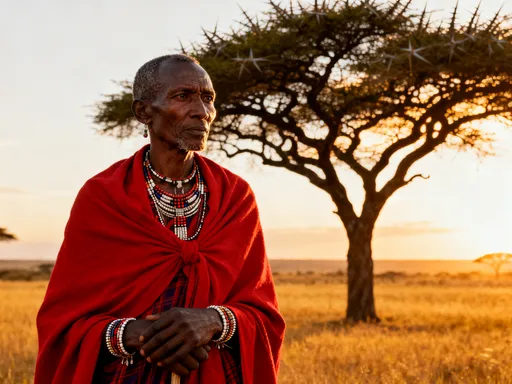
As the small plane descended toward the red-dirt airstrip near the Masai Mara National Reserve, the patchwork of golden savannah stretched beneath me, dotted with acacia trees and clusters of grazing wildebeest. The landscape was as majestic as promised, and my heart raced at the thought of spotting elephants or a leopard in the wild. But it wasn’t the wildlife that first captured my attention upon landing—it was the sight of a Maasai man in a crimson shuka, standing tall beside the airstrip, watching the plane with quiet dignity. In that moment, I realized this journey would be about more than animals. It would be about people, traditions, and a way of life that has endured for centuries.
The rhythm of life in the Mara region moves with the sun. Mornings begin early, with the distant hum of cattle herds being guided to pasture and children walking along dusty paths to school, their voices rising in song. Unlike the structured itineraries of urban tourism, experiences here unfold organically. My first evening was spent at a community-run conservancy bordering the reserve, where I was welcomed not as a guest in a distant land, but as someone invited into a shared space. These conservancies, managed by local Maasai landowners, are reshaping how visitors experience the region—not as passive observers, but as respectful participants.
What sets these conservancies apart is their dual mission: wildlife conservation and cultural preservation. By leasing land to eco-lodges and guiding tourism activities, Maasai communities gain sustainable income while retaining stewardship over their ancestral territories. This model reduces pressure on the national reserve and allows wildlife to roam more freely across expanded corridors. But perhaps more importantly, it ensures that cultural encounters are not staged performances for tourists, but authentic moments rooted in daily life. I quickly learned that the true value of a visit to the Mara lies not just in spotting the Big Five, but in understanding the human guardians of this ecosystem.
Meeting the Maasai: People of Pride and Tradition
The Maasai are one of East Africa’s most recognized indigenous groups, known for their striking dress, intricate beadwork, and deep connection to the land. Yet beyond the postcard images lies a complex and resilient society with a rich oral tradition, a strong social structure, and values centered on community, livestock, and respect for nature. Speaking with elders and young warriors alike, I was struck by their pride—not in a boastful way, but in the quiet confidence of people who know who they are and where they come from.
Maasai society is traditionally divided into age sets, each with specific roles and responsibilities. Young boys become warriors, or moran, after circumcision, taking on the duty of protecting the community and herding livestock. Warriors are easily identified by their long hair, elaborate braids, and vibrant attire. After several years, they transition into elder status, where they serve as advisors, mediators, and custodians of cultural knowledge. Women, too, hold significant influence, managing the household, constructing homes, and passing down traditions to the next generation. Their wisdom is woven into every aspect of life, from child-rearing to conflict resolution.
One of the most important lessons I learned is that authenticity matters—not just for travelers seeking meaningful experiences, but for the Maasai themselves. When tourism reduces their culture to a performance—when dances are rushed, explanations are oversimplified, or sacred rituals are commercialized—it risks eroding the very traditions visitors come to see. The most impactful interactions occurred when time was taken to listen, to ask questions, and to engage with curiosity rather than expectation. Tourism, when done right, can be a force for cultural preservation, empowering communities to maintain their identity while sharing it with the world.
Step Into a Manyatta: A Day in a Traditional Village
Visiting a Maasai manyatta, or homestead, was one of the most intimate experiences of my journey. Unlike the tourist-centric villages sometimes found near park entrances, this visit was arranged through a local conservancy and led by a Maasai guide who grew up in a similar home. The manyatta was a circular cluster of small, dome-shaped houses made from a mixture of mud, cow dung, and grass—materials that insulate against both heat and cold. Each home, called a inkajijik, is built by women and designed to last several years, with a low entrance that requires bending to enter—a symbol of humility and respect.
Inside, the homes were simple but carefully organized. Sleeping areas were marked by raised platforms, and personal belongings—beaded jewelry, wooden stools, and gourds for water—were stored neatly along the walls. Livestock, especially cows, are central to Maasai life, not only as a source of food and wealth but as a symbol of social status and spiritual connection. The family’s goats and calves were kept in an enclosed area at the center of the manyatta, protected from predators at night. I watched as children helped their mother milk the cows, their laughter blending with the lowing of the animals—a scene unchanged for generations.
Our guide emphasized the importance of cultural etiquette during the visit. We removed our shoes before entering a home, avoided pointing with our fingers, and refrained from touching people’s heads, which is considered sacred. We were encouraged to ask questions, but always with respect. Photography was allowed, but only with permission, and we were reminded that these are people’s homes, not museum exhibits. These small acts of mindfulness transformed the visit from a tourist stop into a genuine exchange of understanding.
The Power of the Adumu: Experiencing the Warrior Dance
No image of the Maasai is more iconic than the adumu, or jumping dance. Often seen in documentaries and travel brochures, this ritual is far more than a performance—it is a rite of passage, a display of strength, and a celebration of unity. I had the privilege of witnessing a live adumu one evening beneath a sky painted with stars. The warriors, dressed in red shukas and adorned with beaded necklaces, formed a tight circle. As the elders began chanting a deep, rhythmic song, one warrior stepped forward, crouched low, and began to jump—straight up, without bending his knees, his heels never touching the ground.
The dance builds in intensity, with each warrior taking turns to leap higher, trying to outdo the others. The goal is not just physical endurance, but to demonstrate courage, discipline, and readiness for responsibility. As I watched, the sound of chanting, the thud of bare feet on packed earth, and the sight of bodies rising against the night sky created a moment of pure awe. My eyes welled with tears—not out of sadness, but from the overwhelming sense of being present in something ancient and deeply meaningful.
Tourism has inevitably influenced how the adumu is presented. In some areas, the dance is shortened or performed on demand, tailored to fit tight schedules. But in community conservancies, where cultural integrity is prioritized, the adumu is still performed with its full ceremonial weight. Our guide explained that when warriors dance for visitors, they do so not for entertainment, but to share their identity. The key is ensuring that such moments remain respectful and reciprocal—that visitors come not to gawk, but to honor.
Beadwork That Speaks: Art as Identity
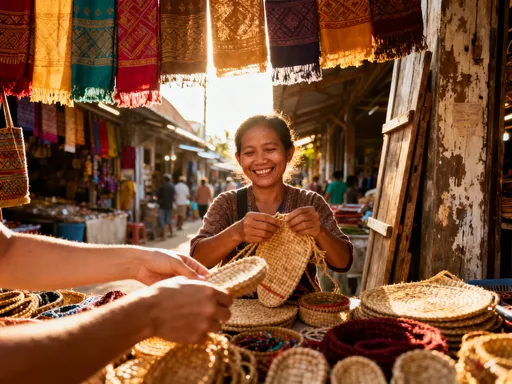
If the adumu speaks through movement, then Maasai beadwork speaks through color and pattern. Every necklace, bracelet, and earring is more than decoration—it is a language. I spent an afternoon with a group of Maasai women artisans who demonstrated the meticulous process of creating beaded jewelry. Using tiny glass beads and thin wire, they wove intricate designs with astonishing precision. Each piece can take days or even weeks to complete, and every color carries symbolic meaning: red for bravery and unity, white for purity and health, blue for energy and the sky, green for land and prosperity, and black for the people and their struggles.
The patterns themselves tell stories. A young woman might wear beads that signify her age group or marital status. Warriors wear specific designs during ceremonies. Some necklaces are passed down through generations, carrying family history within their threads. As I tried my hand at beading—awkwardly dropping beads and tangling the wire—I gained a new appreciation for the skill and patience required. One artisan smiled and said, “This is how we remember who we are.”
Supporting local artisans by purchasing beadwork directly—not from souvenir shops in cities, but from the women who made them—ensures that income stays within the community. It also honors the cultural value of the craft. When you wear a Maasai bead necklace, you’re not just accessorizing; you’re carrying a piece of living heritage. I left with a bracelet in the colors of the Mara—red, green, and blue—and a promise to tell its story whenever someone asks where it came from.
Cultural Conservancies: Where Tourism Meets Respect
The future of Maasai culture in the modern world hinges on sustainable solutions, and community-led conservancies are proving to be one of the most effective. Conservancies like Naboisho, Olare Motorogi, and Mara North are managed by Maasai landowners who lease portions of their land to eco-lodges in exchange for a share of tourism revenue. This model keeps land in Maasai hands, prevents fragmentation from farming or development, and creates jobs as guides, rangers, and hospitality staff.
Staying in an eco-lodge within a conservancy offers a quieter, more immersive experience than the busier national reserve. Game drives are limited in number, reducing traffic and stress on wildlife. More importantly, a significant portion of the nightly rate goes directly to the community. I met a young Maasai woman who works as a guide at one of these lodges—she was the first in her family to attend university, funded by conservancy revenue. Another elder explained how school fees for dozens of children are now covered, and a new health clinic has been built with tourism income.
These conservancies also serve as cultural bridges. Guests are invited to visit manyattas, attend dances, and learn beadwork—not as staged shows, but as part of a living community. The difference is palpable. Instead of feeling like a spectator, I felt like a guest. This model proves that tourism doesn’t have to exploit culture to profit from it. When done with integrity, it can uplift, preserve, and celebrate.
Beyond the Tour: Carrying the Culture Home
Leaving the Masai Mara, I carried more than photographs and souvenirs. I carried a deeper understanding of what it means to live in harmony with the land, to value community over individualism, and to honor tradition without resisting change. The Maasai are not a people frozen in time—they use mobile phones, send their children to school, and engage with the global economy. But they do so on their own terms, adapting while holding fast to their identity.
As travelers, we have a responsibility to honor that balance. This means more than being respectful during a visit—it means continuing that respect when we return home. Sharing stories with authenticity, supporting ethical tourism operators, and educating others about the difference between cultural appreciation and appropriation are all ways we can contribute. It means choosing experiences that empower communities rather than exploit them, and asking questions before we assume.
I now see travel not as a checklist of destinations, but as an invitation to listen, learn, and connect. The Maasai didn’t perform for me—they welcomed me. And in doing so, they reminded me that the most beautiful landscapes are not just those we see, but those we feel in our hearts.
The Masai Mara’s wild beauty will always draw visitors, but its cultural heartbeat is what makes it unforgettable. When we engage with the Maasai not as performers, but as people—with stories, pride, and resilience—we transform tourism into something meaningful. This journey isn’t just about photos or checklists; it’s about connection, respect, and shared humanity. Let the Mara change you, not just your camera roll.