You Gotta See These Hidden Natural Escapes Around Manila
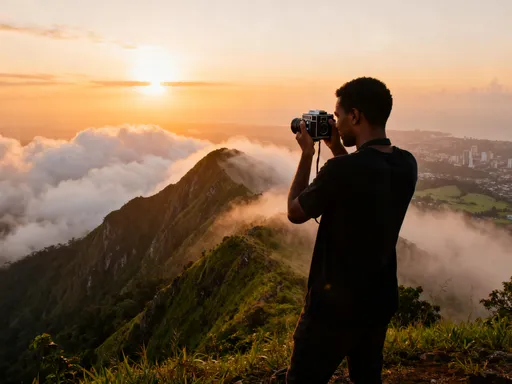
Think Manila is just traffic, malls, and skyscrapers? Think again. Just beyond the urban buzz, you’ll find lush rainforests, serene lakes, and coastal trails that’ll take your breath away. I’ve explored the city’s greenest secrets—and trust me, they’re worth the escape. From misty highlands to quiet beaches, nature here isn’t just surviving; it’s thriving. Let’s dive into the real outdoor soul of the Philippine capital.
Beyond the City: Why Manila’s Natural Side Surprises Everyone
When most people think of Manila, they picture a sprawling metropolis defined by relentless traffic, towering glass buildings, and the constant hum of city life. It's easy to assume that green spaces and natural beauty are lost amid the concrete. Yet, just a short drive from the capital’s core, a different landscape unfolds—one of mist-covered hills, volcanic lakes, and tropical forests teeming with life. These natural escapes are not only real but increasingly vital for residents seeking balance, relief from urban stress, and a reconnection with the environment.
What makes these destinations so special is their accessibility. Many are within a two- to three-hour drive from central Manila, making weekend getaways both practical and rewarding. Families, couples, and solo travelers alike can trade smog for fresh mountain air or swap shopping malls for the sound of waves without needing to book international flights. This proximity has fueled a quiet revolution in how Filipinos experience leisure, with more people turning to eco-tourism and outdoor recreation as essential parts of a healthy lifestyle.
The growing appreciation for these green spaces also reflects a broader cultural shift toward environmental awareness. As urban development continues, so does the need to preserve nearby ecosystems. Local governments and community groups have responded by promoting sustainable tourism practices, protecting watersheds, and restoring native habitats. These efforts ensure that natural areas around Manila remain not just scenic backdrops, but living, breathing parts of the region’s identity. For visitors, this means every trip supports conservation and community resilience—an experience that feels good on every level.
Tagaytay Highlands: Cool Breezes and Volcanic Views
One of the most beloved escapes from Manila is Tagaytay, a highland city perched at nearly 600 meters above sea level. As you drive south along Aguinaldo Highway, the temperature drops noticeably, offering instant relief from the lowland heat. The journey itself becomes part of the experience—rolling hills, roadside fruit stands selling buko juice and roasted corn, and glimpses of the skyline giving way to open skies and green horizons.
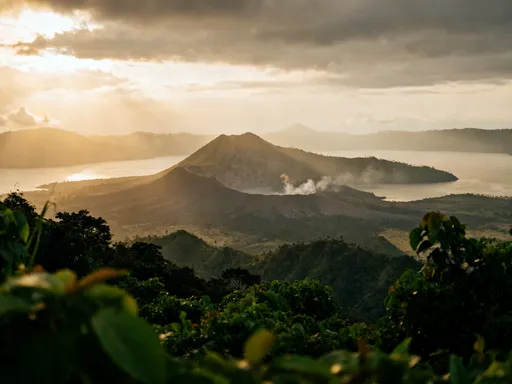
The highlight of any visit to Tagaytay is the panoramic view of Taal Volcano, one of the world’s smallest active volcanoes, rising dramatically from the center of Taal Lake. This striking natural formation is best seen from vantage points like the People’s Park in the Sky and the Picnic Grove. At sunrise, when morning mist still clings to the water’s surface, the scene feels almost otherworldly. The volcano appears to float, its crater faintly visible beneath a veil of vapor, while kingfishers dart above the reeds along the shoreline.
To make the most of your visit, timing is key. Weekends and holidays bring large crowds, especially to popular photo spots. For a more peaceful experience, arrive early—ideally by 6:30 a.m.—to witness the sunrise and enjoy cooler temperatures. Bring a light jacket, as the highland breeze can be brisk in the mornings. While many tourists stop only for photos, those who take time to learn about the geological significance of Taal gain a deeper appreciation for the dynamic forces shaping the Philippine landscape.
Tagaytay also offers family-friendly amenities, including playgrounds, picnic areas, and food stalls serving local delicacies like kapeng barako and tapa. But beyond the convenience, it’s the sense of calm and clarity that stays with visitors. In a city where time often feels rushed, Tagaytay offers a rare chance to pause, breathe deeply, and remember what it feels like to be surrounded by nature’s quiet power.
Taal Lake and Pansol Hot Springs: Nature’s Warm Embrace
Just a bit further south into Laguna, another kind of natural wonder awaits: geothermal hot springs. The area around Pansol, near the town of Calamba, is famous for its warm, mineral-rich waters, a result of underground volcanic activity linked to Mount Makiling. Here, nature provides its own spa treatment—warm pools that soothe tired muscles and ease stress, all without synthetic additives or artificial heating.
Visitors can choose between public community pools and private resort soaks. The public springs in Pansol are a local favorite, offering affordable access to warm waters in a relaxed, communal setting. Families often bring picnic baskets, children splash in shallow sections, and elders soak quietly under shaded bamboo huts. These spaces reflect a culture of shared enjoyment and simple pleasures, where connection to nature is part of everyday life.
For those seeking more privacy or additional amenities, several resorts in the area offer enclosed spring pools, changing rooms, and food service. These options often include landscaped gardens, lounge areas, and even massage services, blending comfort with natural therapy. Regardless of setting, the water temperature remains consistently warm—typically between 38°C and 42°C—making it ideal for relaxation year-round.
Getting to Pansol is straightforward by private car or van, with the journey taking about two hours from Manila under normal traffic conditions. Travelers should bring towels, water shoes, and biodegradable soap to respect local guidelines. It’s also important to follow posted rules—such as no alcohol or glass containers—to maintain cleanliness and safety. By being mindful guests, visitors help preserve these natural resources for future generations.
The experience of soaking in warm earth-heated water, surrounded by trees and birdsong, creates a profound sense of grounding. In a world dominated by screens and schedules, Pansol reminds us that healing can be simple, natural, and deeply restorative.
Mount Sungay and the Rainforests of Nasugbu
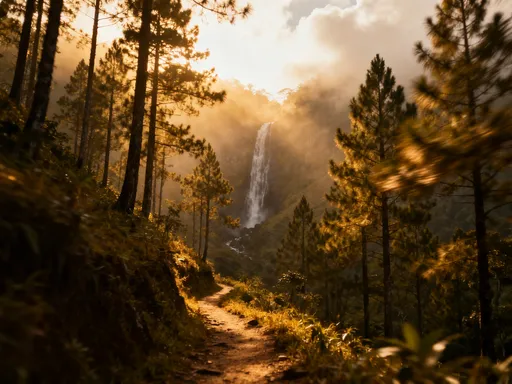
For those ready to step deeper into the wild, the forests around Mount Sungay in Nasugbu, Batangas, offer a true immersion in nature. Though not the tallest peak in the region, Mount Sungay stands as a gateway to one of the last remaining tracts of lowland rainforest near Manila. The hike to its summit takes travelers through dense vegetation, across rocky streams, and beneath a canopy alive with bird calls and rustling leaves.
The trail ranges from moderate to challenging, depending on the route taken. Most hikes begin in nearby barangays where local guides meet groups and provide briefings on trail safety and environmental protocols. These guides are more than just navigators—they are stewards of the forest, often trained in conservation practices and knowledgeable about native plants and wildlife. Their presence enhances the experience, turning a simple trek into an educational journey.
Along the way, hikers may spot species like the Philippine hawk-owl, endemic lizards, and rare orchids clinging to tree trunks. The forest floor is rich with decomposing leaves, fungi, and the occasional wild ginger plant, all part of a complex ecosystem that filters water, stabilizes soil, and supports biodiversity. Conservation groups have worked for years to protect this area from illegal logging and land conversion, and today, community-based eco-tours play a crucial role in funding these efforts.
Preparation is essential for a safe and enjoyable hike. Sturdy footwear, insect repellent, rain gear, and plenty of water are must-haves. Because cell signal is limited, it’s wise to share your itinerary with someone before heading out. Most tours last between four and six hours, including breaks and time at the summit, where views stretch across the coast and neighboring mountains.
What makes Mount Sungay special is not just the physical challenge, but the sense of entering a world untouched by urban noise. The air feels different—cleaner, heavier with moisture and green scent. In this space, time slows, and the mind quiets. It’s a powerful reminder that nature doesn’t need to be far away to feel remote and sacred.
Punta Fuego and Calatagan Beaches: Where the City Fades Away
When the desire for open water calls, the coastline near Calatagan in Batangas answers. Here, the South China Sea meets golden sand and swaying palms, offering a stark contrast to Manila’s skyline. Punta Fuego, a private beach and residential community, is known for its pristine shores and upscale amenities. Access is restricted to residents and guests, ensuring exclusivity and well-maintained surroundings. The beach features soft white sand, clear turquoise water, and carefully preserved dune vegetation that protects against erosion.
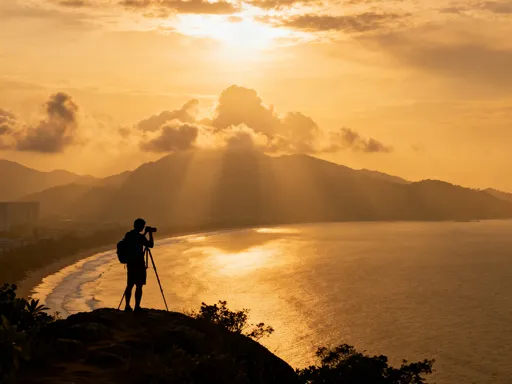
For travelers seeking a more accessible option, public beaches near Calatagan town provide a genuine local experience. These stretches of coastline are quieter than those in more commercialized areas, with fishing boats pulled ashore, children building sandcastles, and families enjoying simple beachside meals. The water is generally calm during the dry season, making it suitable for wading and swimming. At sunset, the sky erupts in shades of orange and pink, reflecting off the wet sand like liquid fire.
One of the most magical aspects of these coastal areas is the night sky. Far from the light pollution of the city, stars emerge in brilliant clarity. On clear nights, the Milky Way becomes visible, stretching across the heavens in a luminous arc. It’s a sight increasingly rare in urban centers, and one that leaves a lasting impression on visitors.
Reaching Calatagan typically requires a two-and-a-half to three-hour drive from Manila, depending on traffic. Road conditions are generally good, though some side routes may be unpaved. Alternatively, some travelers opt for ferry services from nearby ports, adding a nautical element to the journey. The best time to visit is from November to May, when rainfall is minimal and water clarity is at its peak.
Whether in a private enclave or a public cove, the beach experience here is about reconnection—between people and nature, families and each other, and individuals and the rhythm of the tides. In these moments, the pressures of city life dissolve like footprints in the sand.
La Mesa Eco Park and the Urban Green Lung of Quezon City
Not every nature escape requires leaving the city. Within Quezon City lies La Mesa Eco Park, a 33-hectare sanctuary nestled around the La Mesa Watershed, the largest remaining rainforest in Metro Manila. This urban oasis serves a dual purpose: it protects a critical water source for millions and offers residents a place to walk, play, and reconnect with greenery without traveling far.
The park features paved and dirt trails winding through native trees, a canopy walk suspended high above the forest floor, and designated areas for birdwatching. Regular visitors often spot bulbuls, sunbirds, and even the occasional Philippine serpent eagle soaring overhead. Educational signage throughout the park explains the importance of watershed conservation, native species, and sustainable living practices.
Families frequent the park on weekends, using open lawns for picnics, kite-flying, and outdoor games. Fitness enthusiasts jog along shaded paths, while school groups participate in guided eco-tours and tree-planting activities. The atmosphere is one of gentle activity and shared respect for the environment. Unlike crowded malls, this space encourages movement, conversation, and mindfulness.
La Mesa also plays a crucial role in environmental education. Through partnerships with schools and NGOs, the park hosts workshops on waste segregation, water conservation, and climate resilience. These programs empower communities with practical knowledge, turning awareness into action. For children, a day at La Mesa isn’t just fun—it’s formative.
In a city where green space per capita is limited, La Mesa stands as a model of how urban planning and nature preservation can coexist. It proves that even in the heart of a megacity, forests can thrive, waters can run clean, and people can find peace under the trees.
Getting There: Transportation, Timing, and Responsible Travel Tips
Accessing these natural escapes requires thoughtful planning, especially during peak seasons. For most destinations, private cars or hired vans offer the most flexibility, allowing travelers to set their own pace and make spontaneous stops. Van rentals with drivers are popular among families and groups, reducing fatigue and improving safety on winding mountain roads.
Alternatively, guided tours provide a structured and informative experience. Many reputable operators include transportation, meals, entrance fees, and expert guides, making them ideal for first-time visitors or those unfamiliar with the routes. These tours often emphasize eco-friendly practices, such as waste-free packaging and support for local cooperatives.
Public transportation options exist but may involve multiple transfers and longer travel times. For example, reaching Tagaytay can be done via bus from Baclaran or Alabang, while Pansol is accessible by jeepney from Calamba town. While budget-friendly, these methods require more patience and planning, especially when carrying gear or traveling with children.
Timing your visit can greatly enhance your experience. The dry season, from November to May, is generally the best period for outdoor activities. June to October brings the rainy season, which can make trails slippery and roads prone to flooding. However, the landscape becomes especially lush during this time, and crowds are thinner. Avoiding major holidays like Holy Week and Christmas can also help you enjoy destinations with fewer people.
Equally important is practicing responsible tourism. The Leave No Trace principles—plan ahead, dispose of waste properly, leave what you find, minimize campfire impact, respect wildlife, be considerate of others, and stay on designated paths—should guide every trip. Choosing eco-certified accommodations, supporting local vendors, and participating in clean-up drives are meaningful ways to give back.
Ultimately, how we travel shapes the future of these places. When visitors act as caretakers rather than consumers, natural areas remain vibrant and accessible for years to come.
Conclusion
Manila’s natural escapes aren’t just getaways—they’re reminders that nature and city life can coexist. With mindful travel, these green sanctuaries can thrive for generations. The real adventure? Discovering how close peace, beauty, and wildness are to the urban rush. Your next breath of fresh air is closer than you think.