You Won’t Believe These Hidden Natural Wonders Near Punta Arenas
Nestled at the southern tip of Chile, Punta Arenas is more than just a gateway to Antarctica—it’s a launchpad to some of the most breathtaking, untouched landscapes on Earth. I never expected to find such raw beauty in this windswept region. From dramatic cliffs to glacial lagoons, the real magic lies off the beaten path. If you're chasing nature in its purest form, this is where your next adventure should begin. With its unique position along the Strait of Magellan and access to remote wilderness areas, Punta Arenas offers travelers a rare combination of accessibility and seclusion. This city, though modest in size, serves as a quiet hub for those seeking profound natural experiences without the crowds. Whether you're an avid hiker, a birdwatching enthusiast, or simply someone in search of peace beneath vast open skies, the hidden wonders surrounding Punta Arenas promise something deeply personal and unforgettable.
Why Punta Arenas Is the Perfect Base for Natural Discovery
Punta Arenas holds a distinctive place on the global map—not only as the southernmost major city in Chile but as a strategic starting point for exploring one of the planet’s last great wildernesses. Located on the Brunswick Peninsula, it overlooks the Strait of Magellan, a natural waterway that has shaped both history and ecology in this region. Its geographic isolation contributes to the preservation of surrounding ecosystems, many of which remain largely undisturbed by mass tourism. Unlike more commercialized Patagonian destinations, Punta Arenas retains a sense of authenticity, offering visitors infrastructure that supports eco-conscious travel without sacrificing comfort or connectivity.
The city's climate, while often windy and unpredictable, creates ideal conditions for certain types of outdoor exploration. The cool temperatures and frequent clearings between weather systems allow for crisp visibility across long distances—perfect for photography, wildlife observation, and extended hikes. Summer months, from December to February, provide the mildest conditions with daylight lasting up to 17 hours, giving adventurers ample time to explore. During these seasons, temperatures average between 8°C and 13°C (46°F–55°F), making layering clothing essential but not prohibitive. Winter brings shorter days and colder conditions, yet even then, the landscape takes on a stark, poetic beauty that appeals to intrepid travelers.
What truly sets Punta Arenas apart is how well-equipped it is for sustainable tourism. Local tour operators prioritize small-group experiences, minimizing environmental impact while maximizing personal engagement with nature. Accommodations range from eco-lodges powered by renewable energy to family-run guesthouses that emphasize cultural exchange. Fuel stations, gear rental shops, and information centers are readily available, ensuring visitors can plan excursions safely and responsibly. At the same time, the absence of large cruise ports or high-volume resort developments helps preserve the tranquility of nearby natural sites. This balance of preparedness and preservation makes Punta Arenas not just convenient—but ideal—for discovering Patagonia’s quieter, more intimate wonders.
Cerro de la Cruz: A View That Defines the Region
One of the most accessible and rewarding experiences near Punta Arenas is the hike up Cerro de la Cruz, a modest mountain whose summit delivers an expansive panorama that captures the essence of southern Patagonia. Rising approximately 200 meters (656 feet) above sea level, the trail is well-marked and maintained, taking most hikers between 45 minutes to an hour to complete round-trip. The path begins just outside the city center, winding through low shrubland and rocky outcrops before ascending a series of switchbacks toward the top. While the climb is moderate, sturdy footwear is recommended due to loose gravel and occasional gusts of wind that can challenge balance—especially during spring and autumn.
Reaching the summit rewards visitors with a sweeping view of the Strait of Magellan, where cargo ships trace slow paths across steel-gray waters, and the distant Andes shimmer under shifting light. To the west, the vast Patagonian steppe stretches endlessly, a treeless expanse dotted with hardy grasses and wildflowers in summer. On clear days, you might even glimpse the snow-capped peaks of the Darwin Range across the strait. A simple wooden cross marks the highest point, a nod to the site’s historical significance as a navigational landmark for early explorers. But beyond its symbolic presence, the cross frames the view like a natural picture window into the soul of this rugged region.
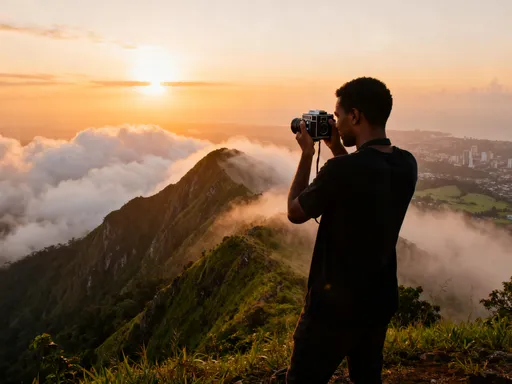
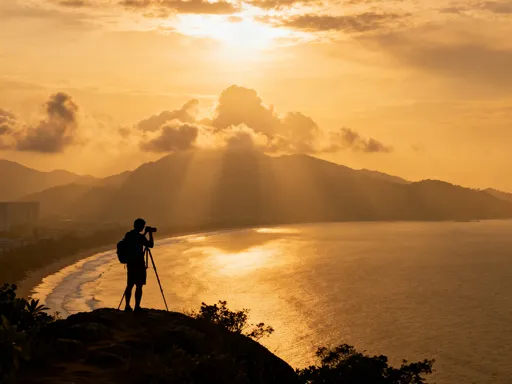
Photographers and nature lovers will find Cerro de la Cruz especially captivating at sunrise or sunset, when golden light spills across the water and paints the sky in hues of rose, amber, and lavender. These times also bring calmer winds and fewer people, allowing for a meditative experience atop the hill. Many locals make it a habit to walk here at dawn, using the quiet moment to reflect or begin their day with a sense of clarity. For visitors, doing the same offers a powerful connection to place—a reminder that beauty often lies not in grand spectacle, but in stillness and perspective. Whether you're capturing the perfect shot or simply breathing in the crisp air, Cerro de la Cruz offers a defining introduction to the emotional resonance of Patagonia.
The Hidden Waterfall Trails Beyond the City Limits
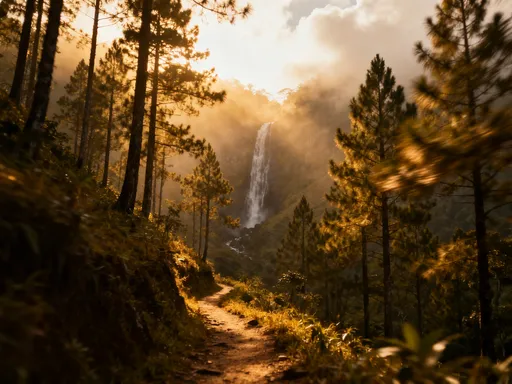
Just a short drive from the paved roads of Punta Arenas lie hidden trails leading to secluded waterfalls tucked within the folds of Patagonia’s untamed terrain. These cascades, fed by glacial melt and mountain springs, remain largely unknown to mainstream tourism, accessible only to those willing to navigate gravel roads and follow subtle trail markers. One such destination lies approximately 30 kilometers northeast of the city, where a narrow dirt path descends into a narrow ravine surrounded by wind-sculpted trees and moss-covered boulders. The sound of rushing water grows louder with each step, culminating in a delicate veil of white plunging about 15 meters into a clear pool below.
The environment around these falls is rich with native flora, including cushion plants adapted to extreme winds, creeping heaths, and patches of Antarctic beech that cling stubbornly to rocky soil. Bright green moss blankets stones and tree trunks alike, thriving in the constant mist. Ferns unfurl in sheltered crevices, and during summer, wild strawberries peek through the undergrowth. Birdsong is sparse but present—occasional calls of the black-chinned siskin or the melodious thrush break the silence. What makes these sites so special is their intimacy; unlike the towering falls found in national parks further north, these are quiet, personal encounters with nature, where the rhythm of falling water becomes a kind of natural meditation.
Visiting these hidden cascades requires preparation. Trails can become slippery after rain, and proper waterproof boots are essential. Given the remote location, mobile signal is unreliable, so downloading offline maps or traveling with a guide is strongly advised. The best time to visit is late spring through early autumn (November to April), when snowmelt ensures strong water flow and temperatures are more forgiving. Early morning visits offer the softest light for photography and reduce the chance of encountering afternoon winds. Because these areas lack formal facilities, all trash must be carried out, and fires are strictly prohibited. By respecting the fragility of this ecosystem, visitors help ensure these quiet wonders remain pristine for future generations.
Parque del Estrecho: Where Nature Meets Urban Escape
For those seeking a gentler immersion in nature, Parque del Estrecho offers a beautifully balanced blend of accessibility and wild charm. Located along the coastal edge of Punta Arenas, this protected area stretches across dunes, wetlands, and native forest remnants, creating a sanctuary where urban life gently gives way to Patagonian wilderness. Established to conserve local biodiversity and provide recreational space, the park features a network of well-maintained walking and biking trails that wind through diverse microhabitats. Interpretive signs, written in both Spanish and English, educate visitors about the region’s unique ecology, from salt-tolerant vegetation to migratory bird patterns.
Birdwatching is one of the park’s greatest draws. The marshy zones attract kelp geese, their soft honking calls echoing across open fields, while Magellanic penguins occasionally appear along the rocky shoreline during breeding season. Keen-eyed observers may spot the imposing silhouette of an Andean condor riding thermal currents high above the coast—a symbol of Patagonia’s untamed spirit. Smaller species like the fire-eyed diucon and the Patagonian sierra finch flit among the bushes, adding bursts of movement and color to the landscape. Binoculars are recommended, but even casual visitors will appreciate the abundance of life thriving in this transitional zone between city and sea.
The park’s coastal trails offer unobstructed views of the Strait of Magellan, where sea lions bark from distant rocks and cormorants dry their wings on sunlit boulders. Benches are thoughtfully placed at scenic overlooks, inviting quiet contemplation. Families often picnic here, spreading blankets on grassy knolls while children explore tidal pools at low tide. Cyclists enjoy the smooth, traffic-free paths, making it easy to cover several kilometers without fatigue. What makes Parque del Estrecho exceptional is its ability to deliver a sense of solitude despite its proximity to the city. It proves that profound natural experiences don’t always require long journeys—sometimes, they begin just minutes from home, waiting to be rediscovered.
Day Trip to Bahía Lomas: A Haven for Shorebirds and Solitude
One of the most ecologically significant yet under-visited destinations near Punta Arenas is Bahía Lomas, a remote bay on the eastern shore of the Strait of Magellan. Accessible only by 4x4 vehicle or guided tour, this windswept expanse of tidal flats and salt marshes has been designated a Ramsar Wetland of International Importance due to its critical role in supporting migratory shorebirds. Each year, thousands of ruddy turnstones, red knots, and Hudsonian godwits arrive here after flying thousands of kilometers from Arctic breeding grounds, relying on the nutrient-rich mudflats to rest and refuel before continuing their journey.
The experience of visiting Bahía Lomas is less about dramatic scenery and more about emotional resonance. There are no marked trails, no visitor centers, and no crowds—just an overwhelming sense of space and silence. The sky seems to stretch infinitely, meeting the flat horizon in a seamless arc. Wind sweeps across the marshes, bending grasses in rhythmic waves. The only sounds are the distant cries of birds and the soft crunch of footsteps on saline crust. For many visitors, this profound stillness becomes a kind of spiritual awakening—an invitation to slow down, listen, and reconnect with the natural world on a deeper level.
Because of its ecological sensitivity, access to Bahía Lomas is carefully managed. Visitors are encouraged to stay on established routes, avoid disturbing flocks, and refrain from bringing pets. Local conservation groups, such as the Aves Chile network, conduct regular monitoring and work with tour operators to promote responsible visitation. Guided trips typically include binoculars and expert commentary on bird behavior and migration patterns, enriching the experience with scientific insight. While the journey may be long and the conditions raw, those who make the trip often describe it as transformative—a rare encounter with wilderness in its purest, most unfiltered form.
Venturing Toward the Forgotten Glacial Valleys
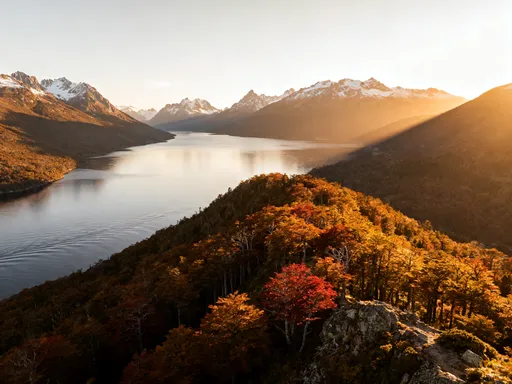
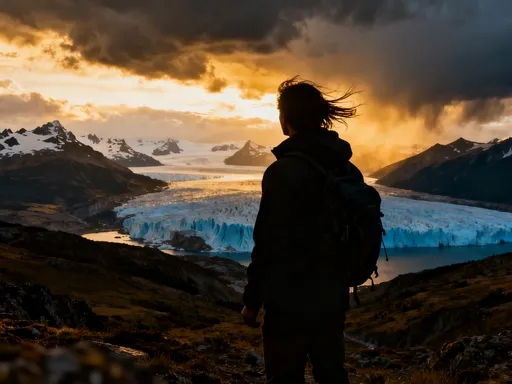
Beyond the coastal zones and rolling hills lies a lesser-known interior of Patagonia—ancient glacial valleys carved by ice movements during the last Ice Age. These remote landscapes, reachable only by guided 4x4 excursions or horseback tours, offer a glimpse into the geological forces that shaped this region. Deep U-shaped valleys, polished bedrock, and scattered moraines tell the story of massive glaciers that once flowed like rivers of ice. Today, crystal-clear streams meander through these valleys, fed by snowmelt and underground springs, supporting isolated pockets of vegetation and wildlife.
One such valley lies approximately two hours’ drive from Punta Arenas, accessible via a rugged dirt road that climbs into the foothills of the Andes. The journey itself is part of the adventure, with changing vistas unfolding at every turn—first open steppe, then rocky escarpments, followed by dense stands of lenga and ñirre trees. Local outfitters offer half-day or full-day excursions, often including stops at historic sheep stations or abandoned shepherd cabins that speak to the region’s pastoral past. Some tours incorporate horseback riding, allowing guests to travel deeper into terrain unsuitable for vehicles, all while accompanied by experienced gauchos who know the land intimately.
These valleys are not only geologically fascinating but ecologically vital. They serve as corridors for native species like the guanaco, the Andean fox, and the elusive puma, whose tracks are sometimes spotted in soft soil. Alpine flowers bloom in sheltered areas during summer, and thermal springs hidden in remote gorges offer natural soaks for those lucky enough to find them. Because these areas are rarely visited, they retain a sense of mystery and discovery. Travelers are reminded that Patagonia is not just about famous landmarks—it’s also about the quiet valleys, the unnamed streams, and the stories written in stone and ice over millennia.
How to Explore Responsibly in This Fragile Ecosystem
As interest in Patagonia’s hidden corners grows, so does the responsibility to protect them. The ecosystems around Punta Arenas are resilient in appearance but fragile in reality, shaped by extreme conditions and slow recovery rates. A single misstep—such as straying off trail, leaving waste behind, or disturbing wildlife—can have lasting consequences. That’s why practicing Leave No Trace principles is not just encouraged, it’s essential. This includes packing out all trash, avoiding campfires in dry areas, minimizing noise, and never feeding animals. Staying on designated paths prevents soil erosion and protects delicate plant communities that take years to regenerate.
Supporting local conservation efforts is another powerful way to give back. Organizations like the Conservación Patagónica initiative and regional branches of the Chilean National Forest Corporation (CONAF) work to preserve native habitats and promote sustainable land use. Visitors can contribute by choosing eco-certified tour operators, purchasing locally made crafts, or donating to community-led preservation projects. Many guides are trained in environmental stewardship and share their knowledge freely—listening to them enhances both safety and understanding.
Ultimately, the true value of these hidden natural wonders lies not just in their beauty, but in their ability to inspire reverence and responsibility. Each waterfall, valley, and windswept shorebird refuge reminds us that wild places still exist—not untouched, but worth protecting. By traveling with care, curiosity, and humility, we ensure that future generations can stand atop Cerro de la Cruz, listen to the silence of Bahía Lomas, or follow a mountain stream to its source, just as we have. The journey begins with awareness, continues with action, and ends with gratitude—for the land, for the experience, and for the chance to be part of its ongoing story.